
Meera Bhardwaj:
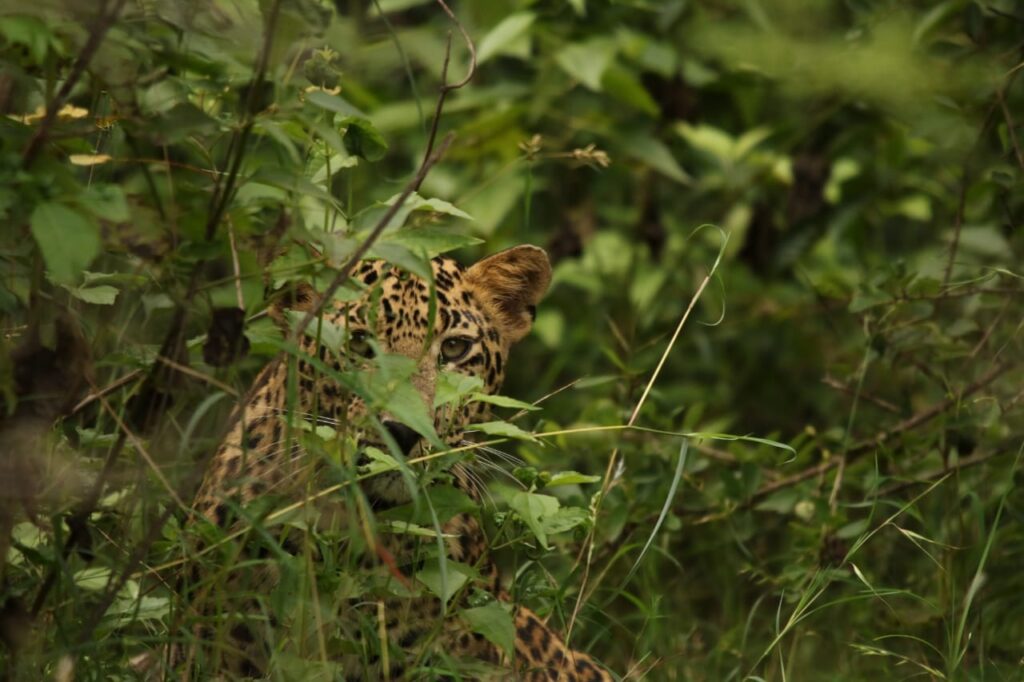
Five leading states of Madhya Pradesh, Maharashtra, Karnataka, Gujarat and Tamil Nadu, with the highest leopard population in the country, have been witnessing rising poaching incidents, road-rail kills, human-leopard conflicts, and fall in open wells in the last two years. As per various sources, between 2024-July, 2026, the country is likely to have lost 1350 leopards or maybe more as many incidents of leopard deaths and kills go unreported.
As per MoEFCC Status of Leopards in India, 2022, the leopard population was stable with 13,874 individuals across India. However, the subsequent years of 2023, 2025, Jan-July 2026 has been a tumultuous period for the leopard’s very survival as the toll in 2023 and 2025 has been highly disturbing.
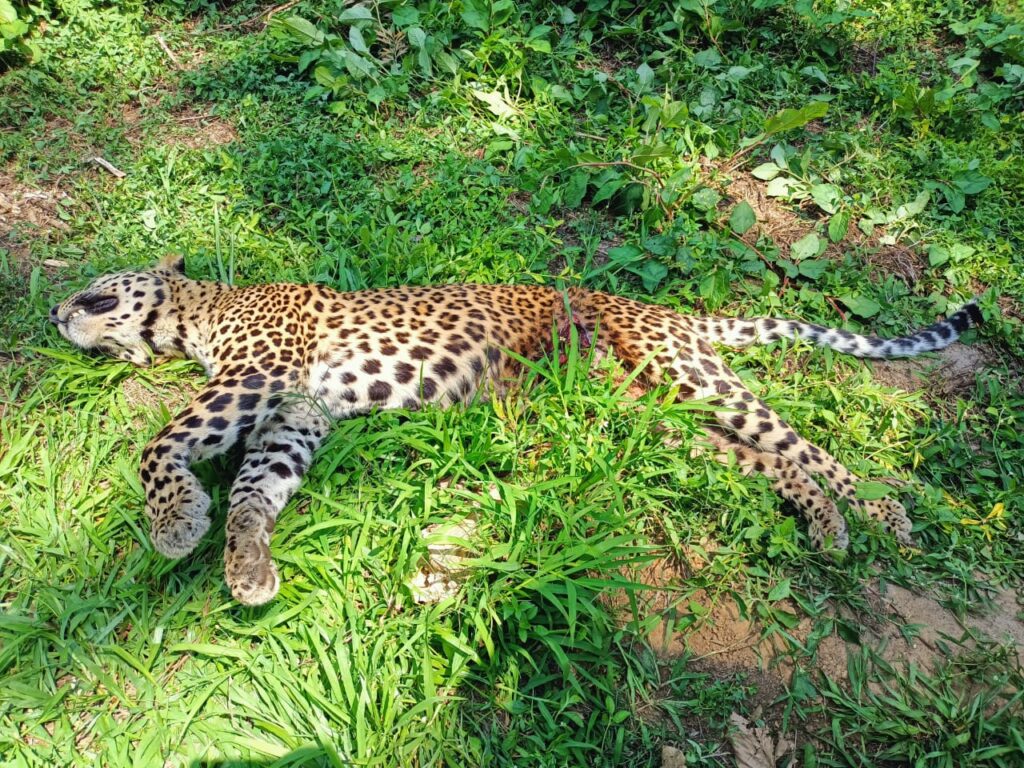
According to Wildlife Protection Society of India (WPSI) in year 2025 alone, India saw 434 leopard deaths and 108 poaching cases and seizures that is a total mortality of 542 while in the last seven months (2026), leopard mortality is already touching 343 and 97 poaching cases and seizures.
YEAR DEATHS POACHING/SEIZURES
2026 246 97
2025 434 108
2024 130 –
2023 392 152
Total Leopard Mortality in India
2026 343 (till July)
2025 542
2023 544
The Wildlife Protection Society of India states, “There is virtually no market for either skins or bones of leopards within India. However, the illicit global demand for big cat skins along with the trading in bones and other parts for use in traditional oriental medicine, continues to be the main reason for the unrelenting poaching pressure on these endangered big cats.”
RISING ROAD KILLS
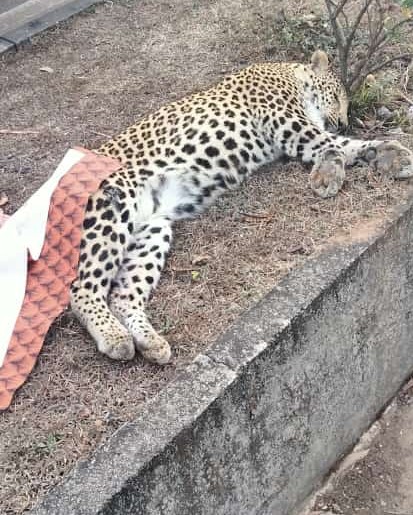
Not just poaching and hunting for its skin and other parts, straying of leopards into human settlements, farmlands and highways, they are being killed, poisoned or captured. Further, leopard kills have become frequent on highways of Maharashtra, Karnataka and Madhya Pradesh.
According to wildlife experts and forest officials, leopard population are facing continuing habitat loss in the states of Maharashtra, Madhya Pradesh, Gujarat and Karnataka and so, they are spilling into cities, semi-urban areas, farms, highways, abandoned quarry sites, etc in search of easy food and shelter.
LET’S LIST A FEW CASES
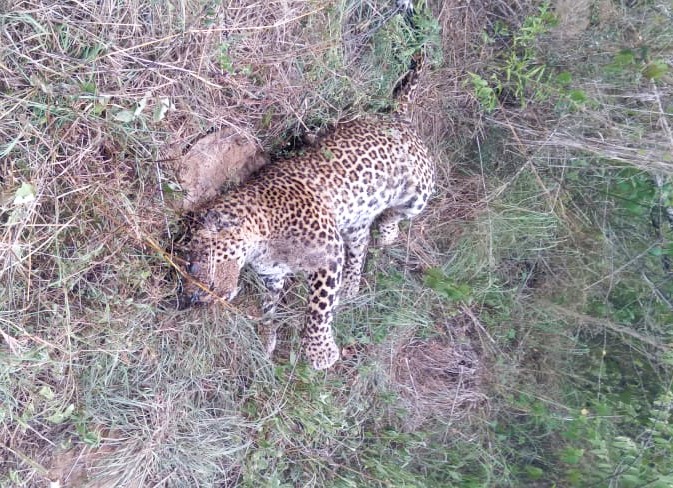
149 leopard deaths have been recorded in Madhya Pradesh between January 2025 and March 2026, with road accidents, poaching, revenge killings, natural causes, and territorial conflicts being the major reasons for its deaths.
Road and highway accidents have been the major cause for leopard kills (31 percent) in this14-month-period as roads cut across forest corridors while 14 percent deaths have been due to poaching, snaring and also retaliatory killings due to rising conflict issues in Madhya Pradesh.
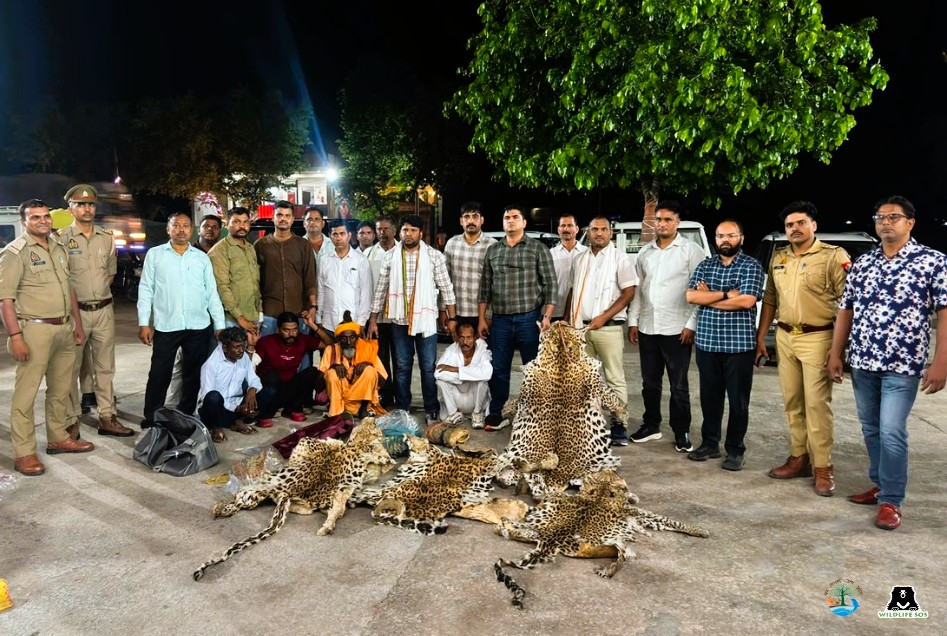
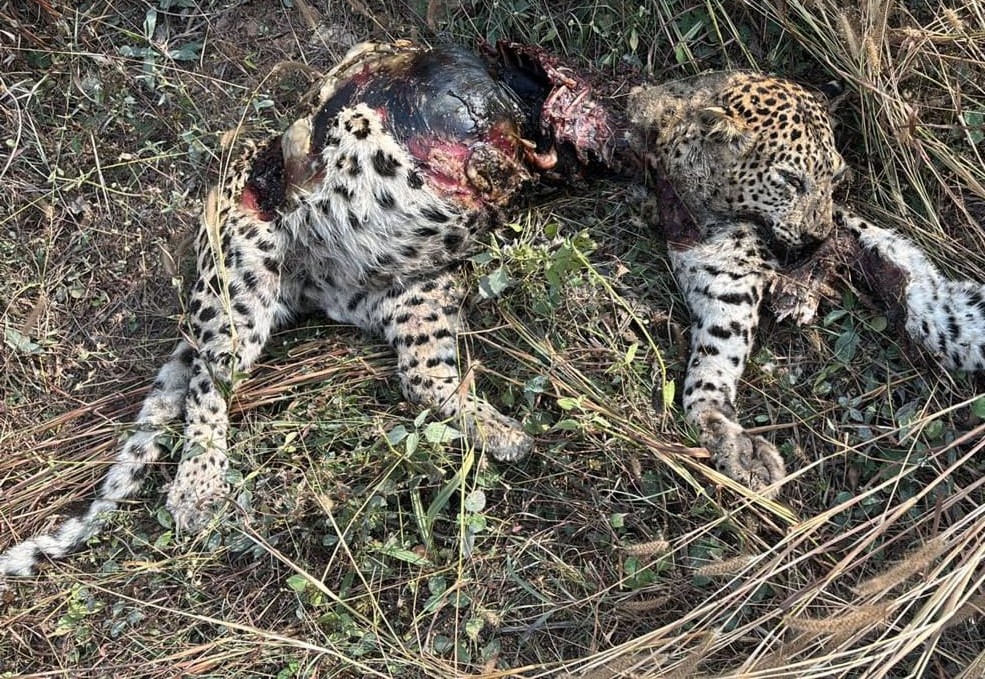
Between October 2025-June 2026, 10 leopards were brutally hunted & killed in Madhya Pradesh and the inter-state gang was arrested on July 23 in Agra with skins of these 10 leopards. Further, 31 percent of leopard deaths in MP are due to road kills on major roads and national highways.
Maharashtra recorded 675 leopard deaths between January 2021 and early February 2026. However, 41 percent of deaths have happened due to road kills and drownings and fall in open wells in rural areas.
In Karnataka, between July 2025 and July 2026, 30 leopards including 6 cubs were found dead either in road kills, poisoning, snaring, revenge killings. No proper leopard death statistics are available in public domain for Karnataka between 2024-2026.
In Gujarat, a total of 456 leopard deaths occurred across 2023 and 2024 combined (225 in 2023 and 231 in 2024). Out of these, 153 fatalities were due to unnatural causes like vehicle and train hits, open well drownings, and electrocution.
THE LEOPARD CAPITAL
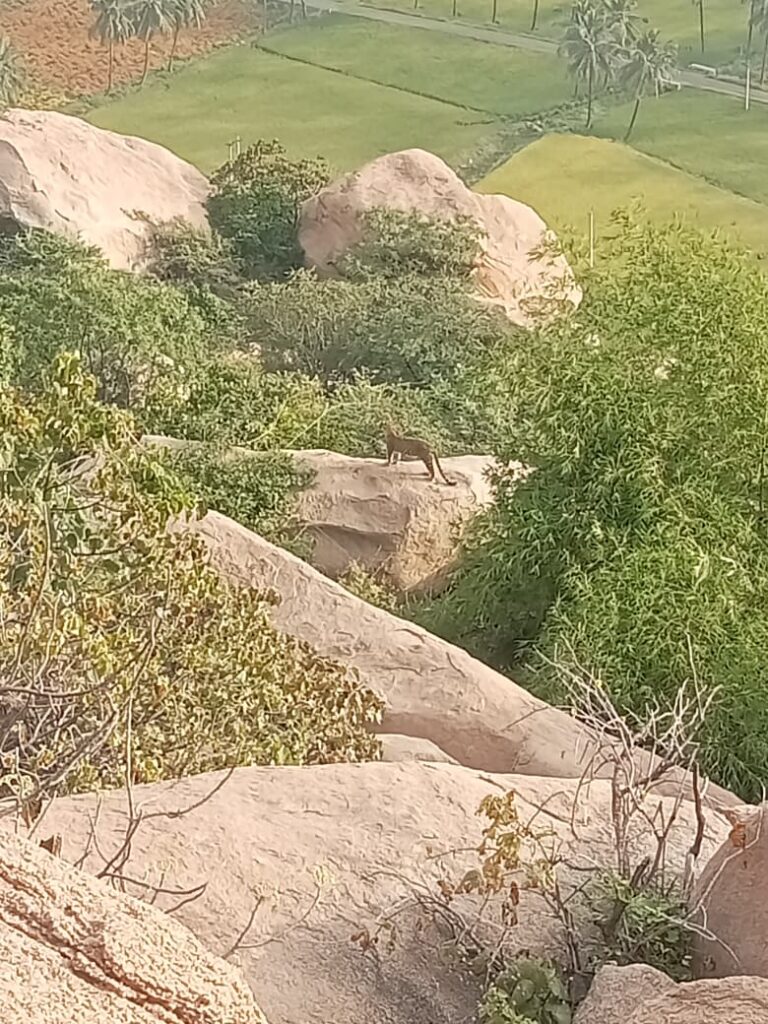
Leopards have been reported as thriving in varying landscapes ranging from forests, grasslands, rocky hilly terrains, abandoned quarry sites to urban landscapes in Mumbai, Thane, Pune, Bengaluru, Mysuru, Indore and Jabalpur. In fact, due to fragmentation and habitat loss, they are adapted to living in close proximity with humans, often preying on street dogs in metros and urban areas.
Apart from this, the IT hub of Bengaluru has also been described and often called as the leopard capital. They are sighted now and then and found very close to apartment complexes especially in southern parts of the city, areas around Bengaluru-Mysuru highway, areas around Yelahanka and Hessarghatta grasslands.
With the city expanding every year, leopards are losing their habitat and they are even spotted entering households in Mysuru and Bengaluru and later rescued by the forest department. The population of leopards has shown significant adaptability even breeding in abandoned quarry sites in and around Bengaluru city.
CONSERVATION EFFORTS IN MAHARASHTRA
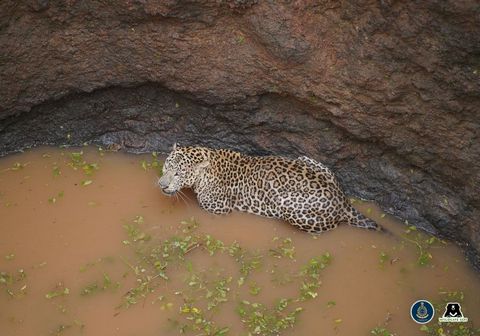
Over 100 leopards have been rescued in the last 8 years as conservation efforts intensifies in Maharashtra. The Manikdoh Leopard Rescue Centre in Junnar reunited over 112 cubs and rescued over 100 leopards in the same time span. Wildlife SOS has been highlighting the urgent need to strengthen conservation efforts for the Indian leopard which has been facing increasing pressures and conflict in human-dominated landscapes despite its remarkable adaptability.
Rapid urbanisation, habitat fragmentation and rising human-leopard interactions continue to pose risks to leopard populations across India. Wildlife conservation organizations say, “Accidental falls into open wells, road accidents, retaliatory responses and the separation of cubs from their mothers remain persistent challenges, particularly outside protected areas in Maharashtra.”
MANIKDOH LEOPARD RESCUE CENTRE
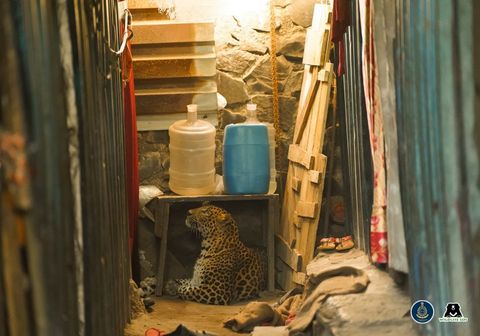
The Manikdoh Leopard Rescue Centre (MLRC) at Junnar near Pune is run in collaboration with the Maharashtra Forest Department and it continues to respond to leopards in distress while supporting long-term coexistence measures.
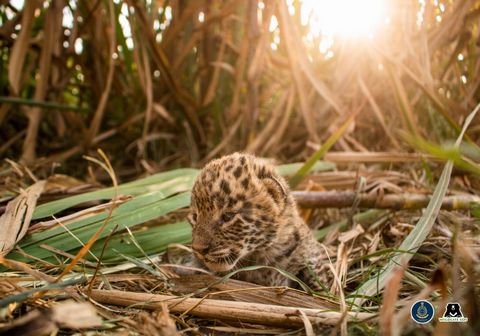
Since 2018, the MLRC has handled 117 leopard rescue cases, successfully reunited 112 cubs with their mothers, across the districts of Ahmednagar, Pune, Satara, and Nashik, through 73 carefully executed operations. They have also supported preventive interventions through efforts to secure hazardous open wells.
FRUITFUL COLLABORATION
Mahendra Dhore, Centre Head, Manikdoh Leopard Rescue Centre added, “We frequently respond to leopards facing risks in human-dominated landscapes, including accidental falls into open wells and separation of cubs from their mothers. Strengthening rescue systems and preventive measures can significantly improve survival outcomes.”
Smita Rajhans, Assistant Conservator of Forests (ACF), Junnar Forest Division further said “Leopard-human coexistence in the Junnar region remains our priority. Our partnership with them across rescue operations, cub reunions and open well-covering initiatives has been instrumental in strengthening conservation. We urge communities to report distressed wildlife immediately.”
PRACTICAL MITIGATION MEASURES
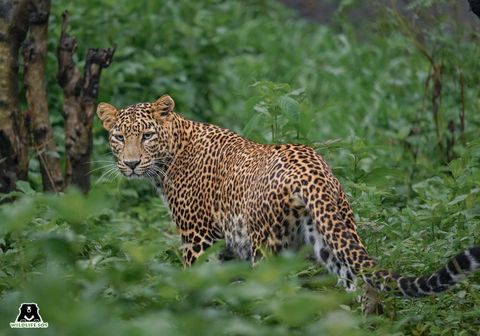
This is an important conservation measure and has helped reduce accidental falls in open wells and saved numerous animals like leopards, golden jackals, and sambar deer. Such interventions demonstrate that practical mitigation measures can play a significant role in reducing preventable threats to wildlife in shared landscapes.
The Indian leopard continues to face pressures from habitat change and conflict, but conservation must focus on enabling people and wildlife to coexist. Ground-level interventions like rescue, rehabilitation and prevention have shown how sustained efforts can deliver real impact, says Kartick Satyanarayan, CEO, Wildlife SOS.
HIGHEST PROTECTION UNDER WPA
Despite receiving this protection, they continue to face significant threats due to their adaptability as it brings them into constant contact with human landscapes, says the National Tiger Conservation Authority. Listed as Vulnerable on the IUCN Red List, this adaptability, has placed the species in close proximity to threats that requires sustained monitoring, rapid rescue response and public awareness. And, this is only possible with tie ups between the forest departments, conservation organizations and wildlife experts.
In the background of so many leopard deaths, road kills, poaching and seizures across India, there is need for serious attention and re-think on prevailing conservation and mitigation measures from wildlife policy makers and state forest departments of leopard range states.
(PHOTO CREDIT: ALL IMAGES OF MAHARASHTRA, MADHYA PRADESH FROM WILDLIFE SOS, OTHER IMAGES FROM KARNATAKA FOREST DEPTT)