
Meera Bhardwaj:
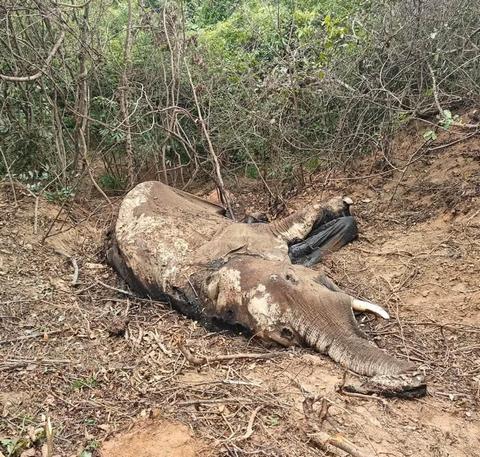
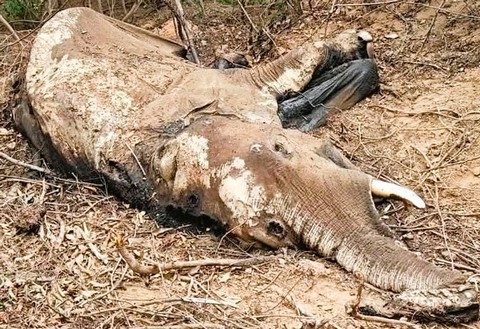
A highly decomposed body of a captured wild tusker was found on July 27, 2026 in Chikkamannugudde forests of Channapatna taluk in Bengaluru South district, Karnataka. A prime young elephant, it was just 30-years-old.
The tusker is reported to have died 16-20 days back as the organs had totally liquified and there was no possibility of detecting the cause of its death. However, wildlife conservationists said there was a high possibility of its death due to darting as during its capture operations, the tusker was darted twice.
It was on June 25, 2026 that this wild tusker was captured in Chikkamannugudde village, Channapatna taluk, Bengaluru South district. This capture operation attracted a lot of criticism from wildlife experts and vets from Karnataka as this young, healthy tusker was darted a second time even after its successful capture. The reason attributed – the ropes were not tied properly so it was darted a second time.
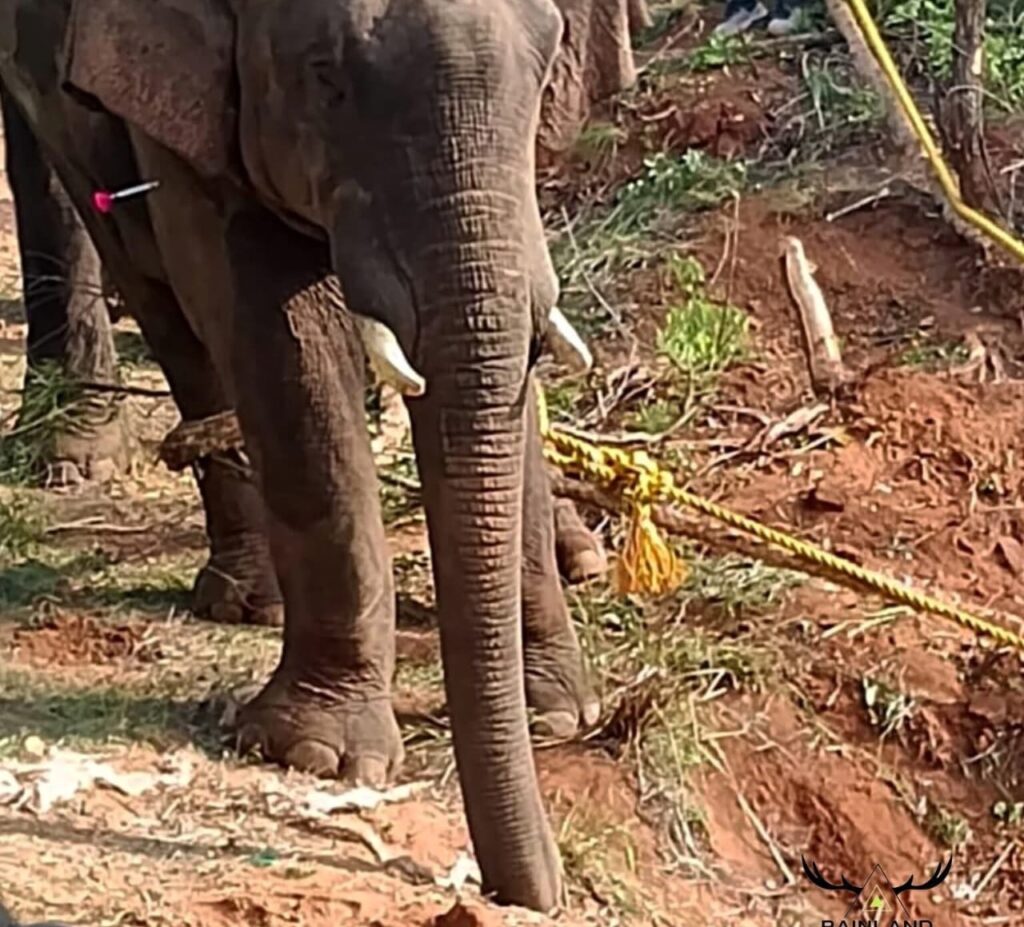
For more details, read this earlier story and the link is:
Speaking to Green Minute News, Ramakrishna, DCF Ramanagara Division said, “The body of this captured tusker was found in the forest area on July 27 in a highly decomposed state. It was in such a state that the reasons for its death could not be ascertained and even its organs could not be identifed. The post mortem was performed and all the samples have been sent to the lab and the lab analysis reports are awaited.”
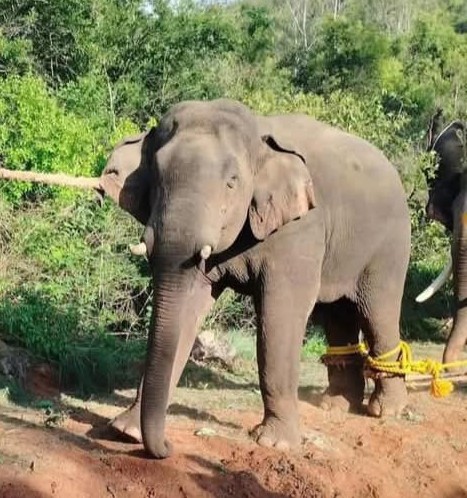
Local activists and wildlife conservationists expressed their serious concerns on the death of the young tusker which was captured on June 25, 2026. The tusker’s body found on July 27 was:
- Almost liquified
- Organs couldn’t be differentiated
- Totally decomposed
- No reasons for death could be ascertained
- No fractures were found
- Death 18-20 days back
- Double darting may have caused death
It was only through drones that the body of this tusker was detected, the DCF said and added, “Since there was some movement of solitary elephants in the Chikkamannugudde forests that we found the tusker’s body and we could also ascertain that there was no body movement at all. It was so highly decomposed that algal growth was noticed on the tusker’s body. Now why the captured tusker died, whether it had fallen somewhere as there is a nearby gorge and a huge nullah 40-45 feet deep or whether it is due to over dosage, we really don’t know the cause as the body had completely deteriorated.”
Reacting to the death of the captured tusker, Joseph Hoover, United Conservation Movement & former member, Karnataka State Board for Wildlife said, “Nowadays, tuskers are being captured for the flimsiest reasons – it seems the KFD has neither the capability of capturing nor the ability to look after the well-being of elephants. How could such a healthy young tusker which was captured on June 25 die after 10-12 days after its capture? The tusker was darted not once but twice by Dr Ramesh Huliya, now who will take responsibility for its death? When the SOPs are violated left and right, action is not taken, this is what happens and people responsible are allowed to go scot-free.”
With the rising human-elephant conflict situation in Karnataka, captures of tuskers, female elephants, calf elephants too are rising especially in south interior districts, say wildlife activists. With the result, the gentle giants are facing the brunt of the conflict issue for no fault of theirs. And this is due to rapid urbanisation, vanishing forests, disappearing corridors and continuing fragmentation of forests due to development of linear structures.