
R S Tejus:
A wild elephant involved in a fatal attack on a morning walker in the outskirts of Bengaluru city indicates the lack of a proper ESZ for Bannerghatta National Park and the continuing disturbances of elephant corridors and the ESZ by rampant development and construction projects. The Karnataka government is going ahead with its fancy projects of building villas, apartment complexes, sports stadium, recreational facilities for the elite in the Surya City, Phase-4 without heeding to the Karnataka High Court orders that has put a stop on these projects.
Now the wild elephant which strayed into the urban environs has returned safely to the forests of Bannerghatta after an overnight operation by the Karnataka Forest Department officials and staff. The jumbo was not captured and is being tracked after moving back into the Bannerghatta National Park.
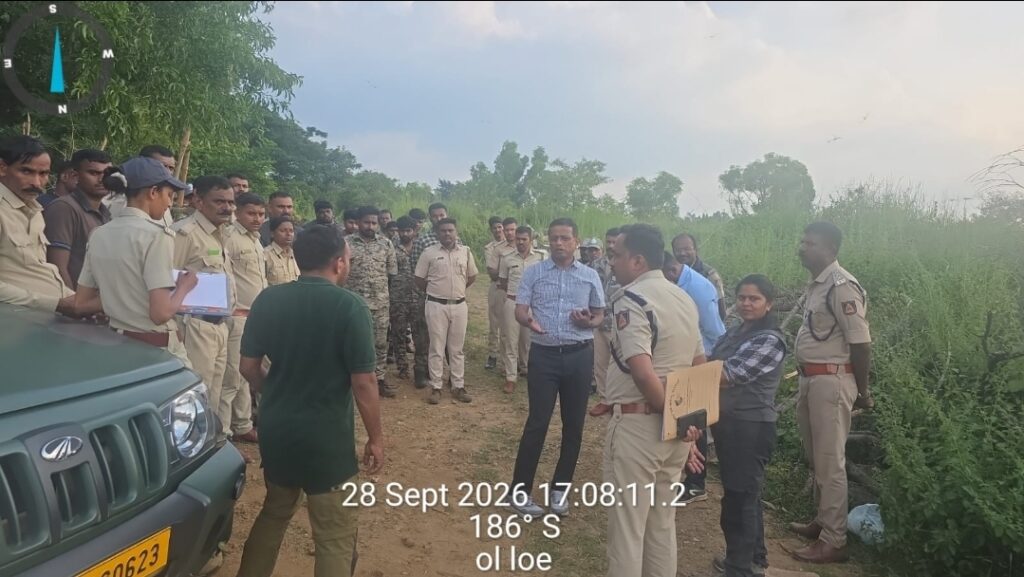
The incident occurred in the early hours of September 28 near Anchepalya village in Kengeri Hobli, Bengaluru South taluk, where 62-year-old Nagaraju was killed in an elephant attack. Following the incident, the Forest Department constituted an eight-member committee to coordinate the operation and safely drive the elephant back towards the forest. The committee included officials from Bengaluru Urban Division, Bannerghatta National Park, Ramanagara and adjoining wildlife ranges.
PREVENT SUCH ENCOUNTERS
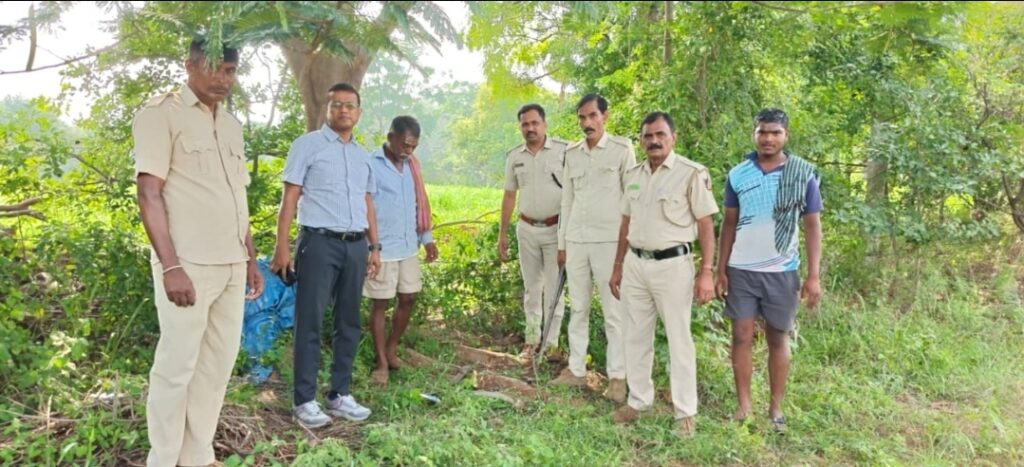
V. Chakrapani, IFS, Deputy Conservator of Forests, Bengaluru Urban Division, said the immediate priority was to prevent another encounter between the elephant and people. “Our priority was public safety. We alerted the surrounding areas and increased our manpower with support from neighbouring forest divisions,” Chakrapani said.
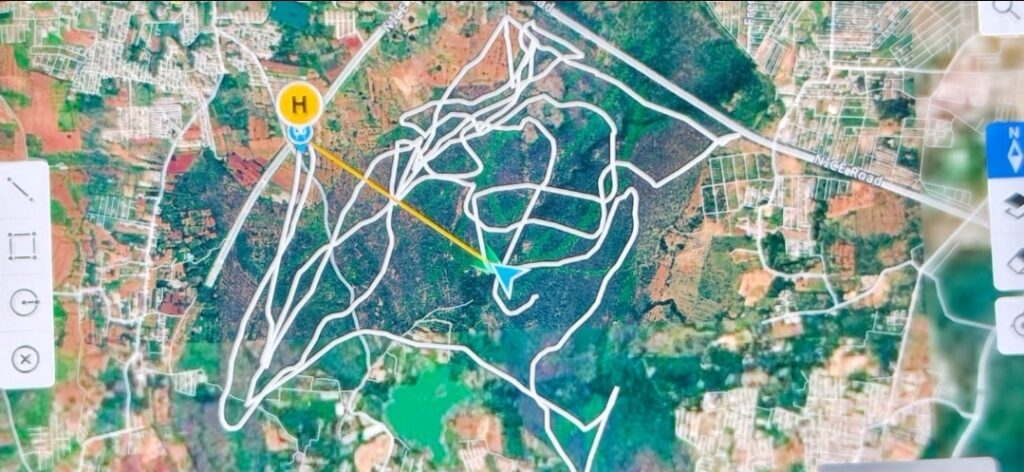
The elephant had been moving around the BM Kaval forest area before and after the attack. After locating the animal, the department deployed teams through the night and alerted nearby villages and gram panchayats. Residents were asked to remain cautious while separate teams were assigned to public safety and tracking.
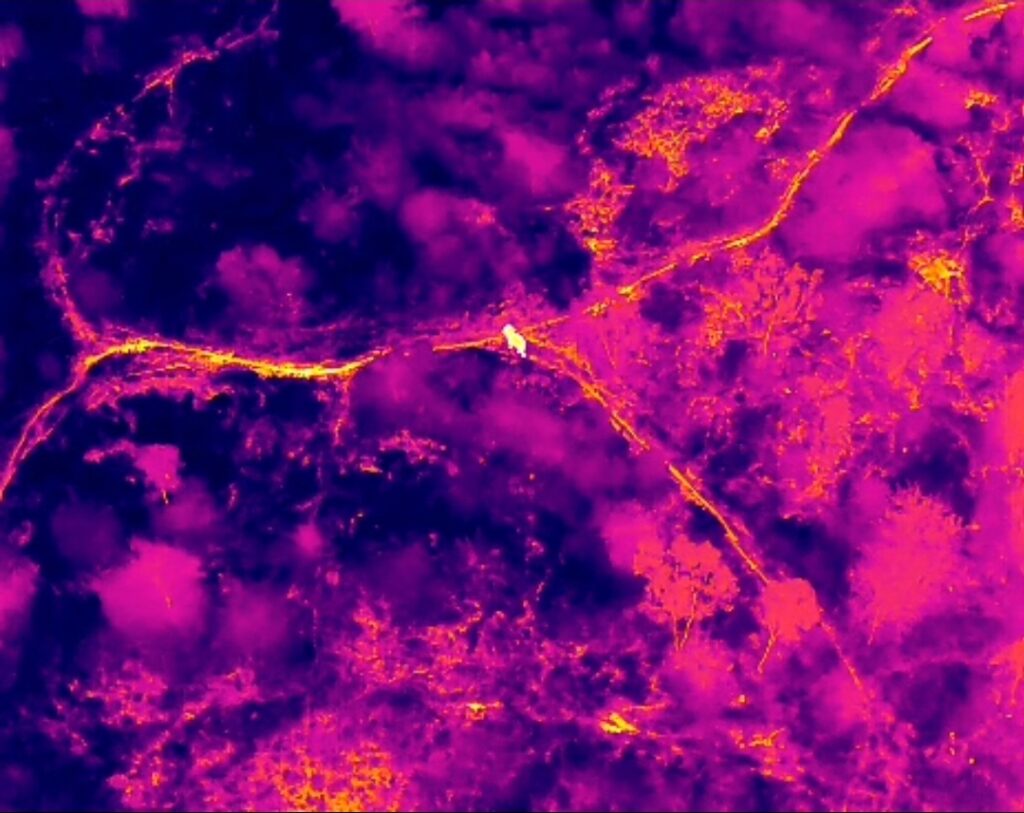
“We had one team concentrating on public safety and alerting people, while another team was tracking the animal using thermal drones,” Chakrapani said.
NIGHT-LONG OPERATIONS
The operation continued throughout the night as the elephant gradually began moving towards Bannerghatta. Forest personnel monitored its movement and attempted to guide it away from inhabited areas without allowing another close encounter with people.
“We were actually coaxing the animal to move. With our activity through the night, it slowly started moving towards Bannerghatta,” Chakrapani said.
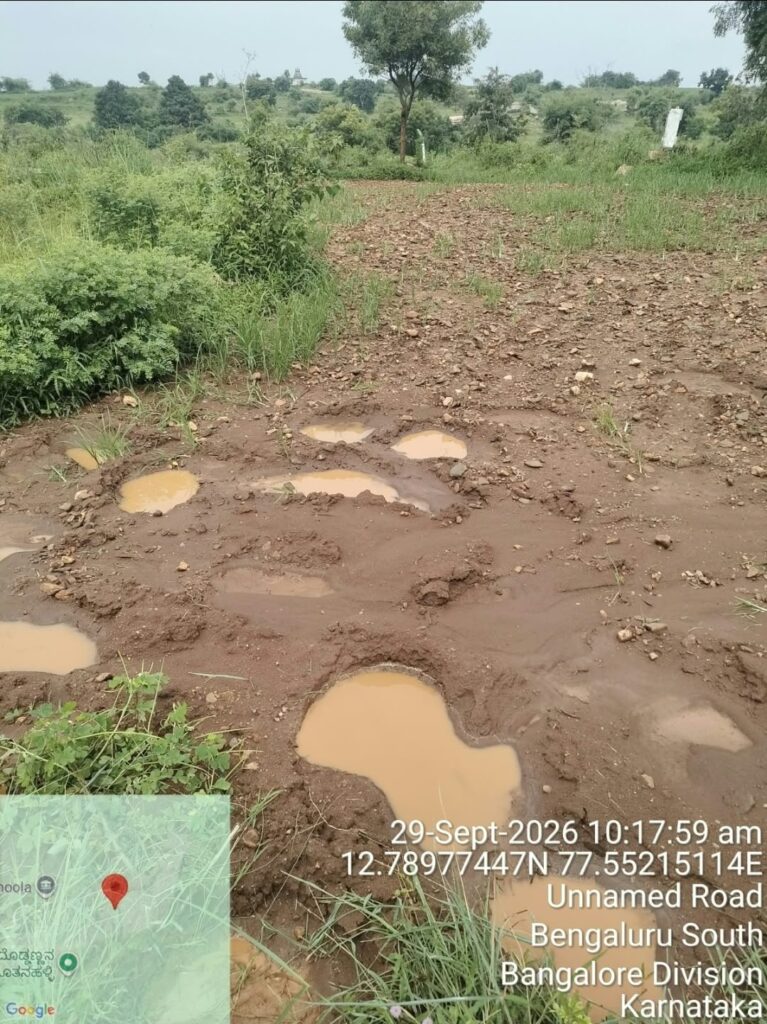
By early morning, the animal had reached close to Bannerghatta. Subsequent tracking, including footprints, indicated that it had entered the forest. The elephant was fortunately not captured.
FORTUNATELY, NO CAPTURE
A capture operation had nevertheless been kept ready as a contingency. Preparations had been made and permission had been sought from higher authorities in case the animal remained in the human-dominated landscape.
“Yesterday, our plan was clear. We had made preparations for capture and had also sought permission from higher authorities. But the situation changed overnight,” Chakrapani said.
With the animal moving back into the forest on its own, capture was no longer required at that stage. “It is good for the animal and good for the department,” he said.
The official order issued after the attack had called for round-the-clock action until the elephant could be safely driven towards the forest. It also directed officials from Bannerghatta and Ramanagara to provide personnel and assistance for tracking and managing the animal.
BENGALURU IS ENCROACHING INTO BANNERGHATTA
The incident cannot be seen only as the movement of one elephant. It reflects a much larger problem developing along the Bannerghatta-Bengaluru interface, where forests, settlements, roads and expanding urban infrastructure increasingly meet each other within a compressed landscape.
Lately, a lot of projects including Surya City, Phase-4, International Cricket Stadium, Anekal, housing and commercial complexes in the ESZ area are coming up and shockingly, the construction is still continuing despite the High Court stalling the projects till the Supreme Court accepts the CEC recommendation to declare the 2016 ESZ notification as the final one for Bannerghatta National Park.
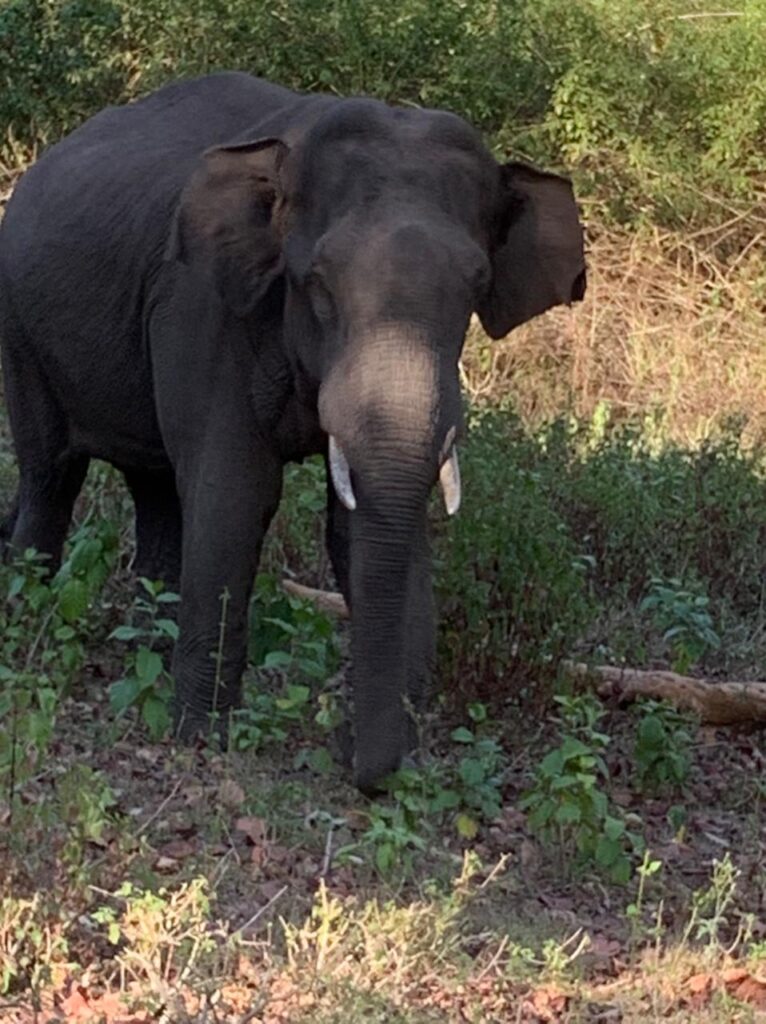
MOVEMENT OF ELEPHANTS CUT
BM Kaval and other remaining forest patches can only provide temporary cover to elephants moving outside Bannerghatta. But these patches are surrounded by increasingly disturbed areas. Once an elephant leaves a larger forest block, even a short movement can take it across roads, settlements, private lands and densely populated neighbourhoods. What may once have been a normal “movement route” for elephants can now quickly become a human-wildlife conflict situation.
The answer therefore cannot be limited to emergency response after an elephant has already entered a settlement. Thermal drones, additional staff and capture teams are necessary during a crisis, but they cannot substitute for secure habitat and functional connectivity and stopping the destruction of elephant corridors.

FRAGMENTATION OF ELEPHANT CORRIDORS
The priority must be to identify vulnerable forest edges, protect the remaining links between forest patches around Bannerghatta and prevent further fragmentation. Habitat consolidation becomes especially important in the Bannerghatta landscape where every additional road, layout formation or break in forest continuity can further restrict animal movement and result in conflicts.
Already ecological damage in the Bannerghatta landscape has crossed the limits where the state government is bent upon implementing construction projects to expand Bengaluru city to ease the city’s congestion. Forest connectivity cannot always be recreated after roads, buildings and housing colonies have permanently altered the elephant corridors. Wildlife Management then becomes a continuous and challenging exercise in responding to human-elephant conflict day in and day out rather than preventing it.
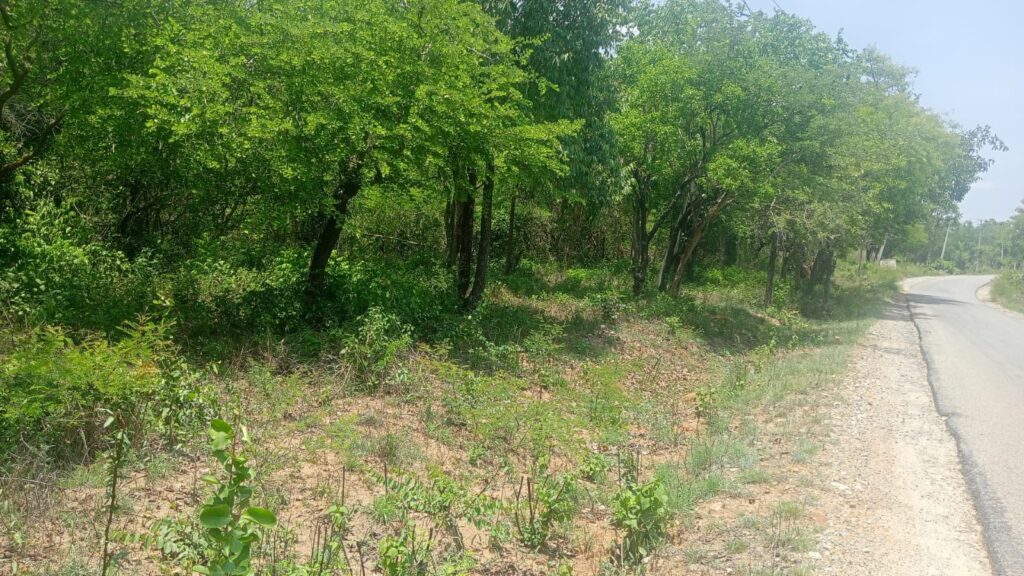
NEED FOR PROPER ESZ FOR BANNERGHATTA
Existing forest patches and connecting habitats around Bannerghatta need stronger protection before they become isolated beyond recovery. The objective should not merely be to manage elephants after they leave forests, but to retain elephant corridors and a scientific ESZ as per 2016 notification for Bannerghatta so that elephants are not repeatedly forced into human-dominated areas in the first place.
Unless the remaining habitat around Bannerghatta are consolidated and further fragmentation is checked, similar conflict incidents are likely to recur and people in Bengaluru city may become sitting ducks for the disturbed wildlife. As the space available to elephants becomes narrower, the risks to both people and wildlife will only increase. If the remaining Bannerghatta landscape – ESZ and elephant corridors are allowed to deteriorate further, future encounters could take a much uglier turn and Bengalurians will have to pay for it with their lives.
(PHOTO CREDIT: ALL PHOTOS EXCEPTING LAST THREE COURTESY KARNATAKA FOREST DEPARTMENT)