
R S Tejus:
Three people were killed in a shocking encounter between the patrolling forest staff and well-armed wildlife hunters in Cauvery Sanctuary, Karnataka. On August 15, these two persons died at the incident spot, while a third died on the way to hospital when the wildlife hunters fired upon the forest staff. In this incident, a forest staff was also injured.
The deceased have been identified as Kumar, Peter and Anthonyswamy. The Karnataka Forest Department is investigating whether they had any involvement in any previous wildlife offences in and around the state.

Details of the alleged wildlife hunters
- Antonyswamy, son of Periyanayagam, aged 50, agriculturist, resident of Marimangala village — deceased.
- John Rose Peter, son of Yakub, aged 42, agriculturist, resident of Jagannathadoddi village — deceased.
- Kumar, son of late Savariyappan, aged 33, Hitachi operator, resident of Lasardoddi village — deceased.
- Mahimadas, son of Benjamin, aged 45, agriculturist, resident of Mariyamangal village — absconding.
The August 15th, 2026 encounter at Holemuridatti Beat in the Shagya Section of Hanur Range, Cauvery Sanctuary, has once again shown how difficult and dangerous frontline wildlife protection can become in the background of wildlife hunters committing regular offences.
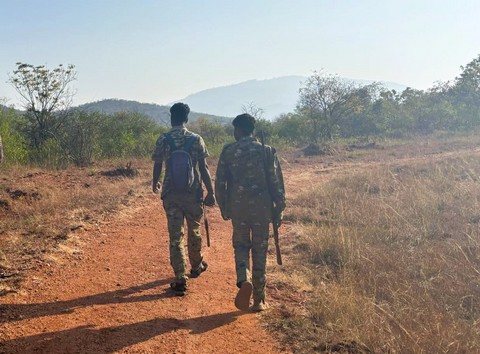
According to Karnataka Forest Department, four men entered the forest of Cauvery Sanctuary during the night of August 14 to hunt wildlife. Forest personnel were on regular patrol when torchlights were noticed from a watchtower. The forest staff moved towards the area and, by around 5 am, came across the group returning after hunting a deer.
Officials say the hunters opened fire on the forest personnel with a country-made firearm. The weapon reportedly misfired, and the forest personnel returned fire in self-defence.
The Forest Department’s position is that the firing occurred after its personnel were fired upon.
Country-made firearms, ammunition, torches, machetes and deer meat were recovered from the scene, according to forest officials. Contemporary reports also state that a firearm and deer carcass were recovered and that a forest staff member was injured.
The Karnataka Forest Department has stated that the following materials were recovered from the scene:
- Two country-made guns (SBML),
- 38 rounds/ammunition meant for use in country-made guns,
- 20 kg of meat suspected to be from an animal,
- Explosive/firecracker material,
- Headlamps,
- Powder material,
- Knife, battery and charger, and other articles.
- Bags containing cooking utensils and food items,
- VIVO Android mobile phone,
- NOKIA keypad phone,
- Three knives,
- One machete,
- Footwear and
- Jio keypad phone
The seized articles were taken into government custody.
A case has been registered as Wildlife Offence Report No. 01/2026-27 dated 15 August 2026, for alleged violations of Sections 2(16)(A), 9, 27 and 31 of the Wildlife (Protection) Act, 1972.
Preliminary information regarding the incident has been communicated to the Principal Chief Conservator of Forests (Wildlife) and Chief Wildlife Warden, Bengaluru; the Deputy Commissioner, Chamarajanagar district; the Superintendent of Police, Chamarajanagar district; and the Police Inspector, Hanur.
ACF Mariswamy, who is also in charge as DCF of Cauvery Sanctuary, has maintained that the firing was in self-defence and that the backgrounds of the deceased are being investigated.
Ballistic evidence, post-mortem findings, the cache of weapons recovered from the spot and other forensic evidence should in fact, establish exactly what happened in this horrendous incident, say activists.
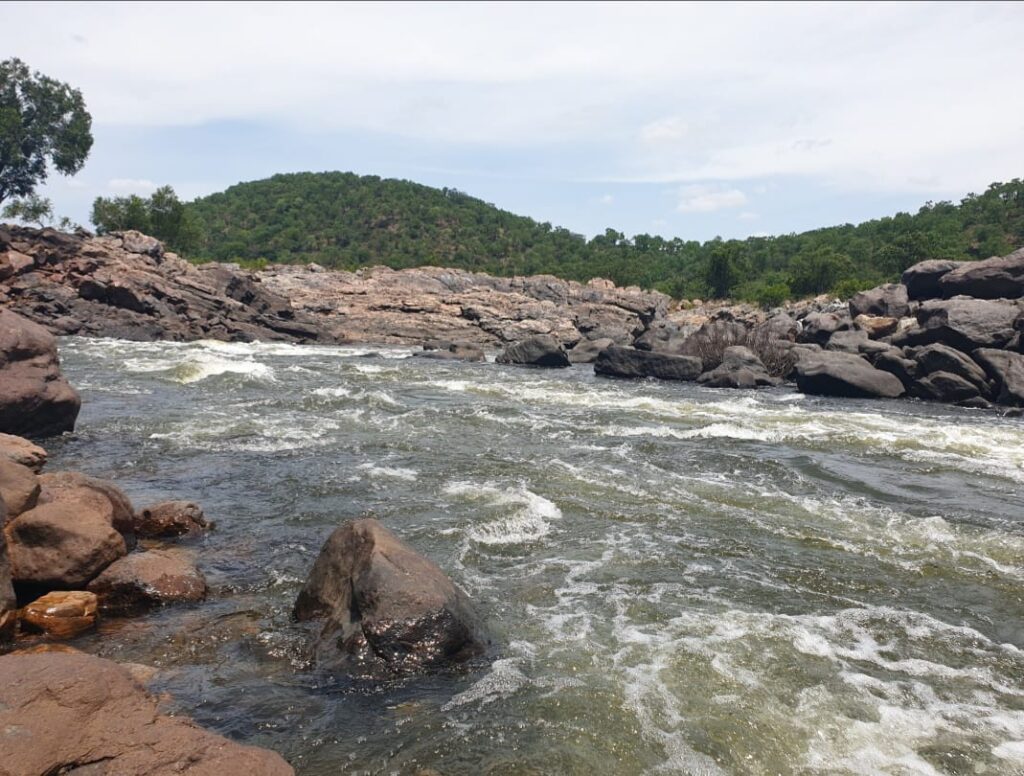
Former Karnataka PCCF B K Singh stressed that forest personnel should not be declared guilty even before the investigation is completed. He added the exchange of bullets between forest personnel and illegal hunters, resulting in three deaths, was unfortunate. But he also criticised what happened afterwards, when members of the Hanur Raitha Sangha gathered and attacked the Karnataka Forest Department property.
According to B K Singh, the local police should have prevented attacks on forest staff and damaging or burning KFD’s property. He stressed that forest personnel have the right to open fire in self-defence and said no fingers should be pointed at them unless the investigating authority finds wrongdoing. “Local groups have gathered in large numbers during earlier incidents and attacked forest offices or vehicles while protesting wildlife-related deaths or alleged excesses connected with encroachment and smuggling cases.”
The August 15th encounter was quickly followed by protests, with local groups challenging the Karnataka Forest Department’s version and alleging that the deceased were innocent villagers and that it was a fake encounter. News reports confirm that residents disputed the KFD’s account.
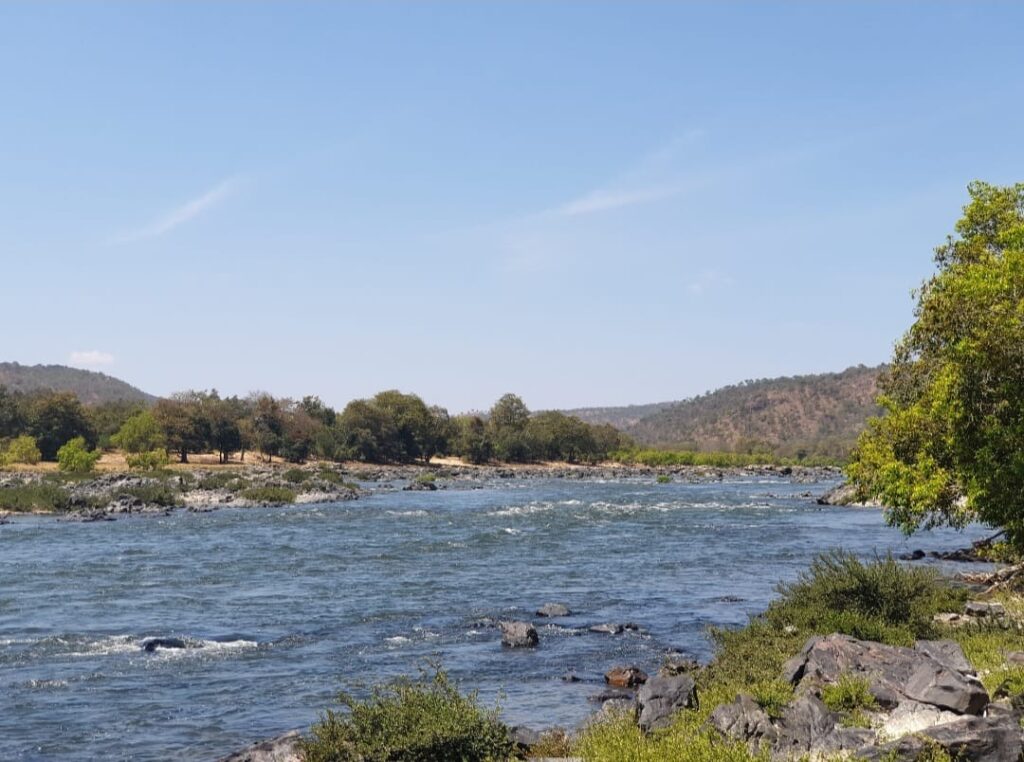
Activists say, “People have every right to protest. They also have every right to demand a fair investigation. But attacking forest personnel, burning or damaging government property and intimidating officers cannot be accepted as democratic protest.”
A senior forest official has further alleged that a few individuals associated with farmer’s organisations demanded money from him in return for not speaking against the Karnataka Forest Department. This is a serious allegation and must be independently investigated.
Hanur is not an ordinary landscape. Further, the Cauvery, MM Hills, BRT, Bandipur belt has a difficult history of wildlife crime and armed activity.
It is a border landscape adjoining Tamil Nadu, with large stretches of difficult forest terrain. The wider region was historically associated with Veerappan and the violent forest-crime network that operated across Karnataka and Tamil Nadu. B. K. Singh himself was among the forest officers who confronted Veerappan’s network and survived an exchange of fire during his service.
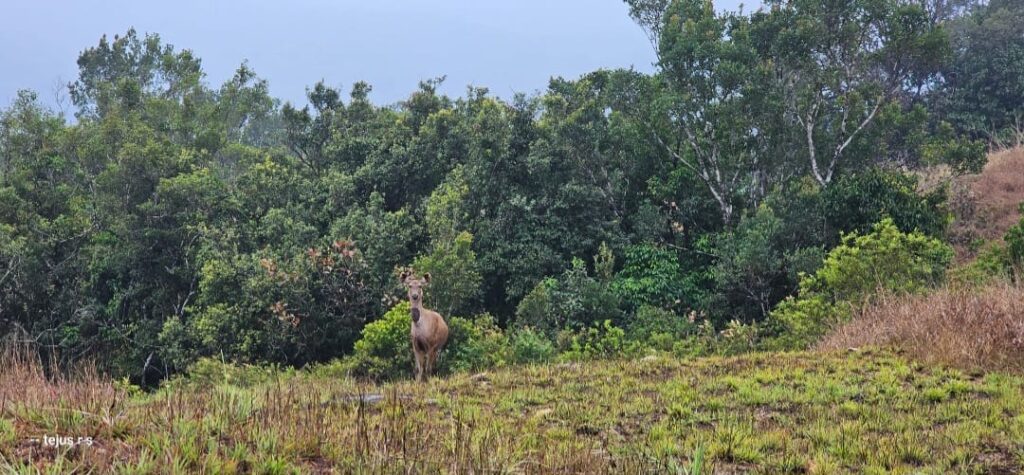
Wildlife crime in this landscape has not disappeared even in the aftermath of the Veerappan era.
In 2019, forest personnel near the Karnataka–Tamil Nadu border in the MM Hills landscape exchanged gunfire with suspected poachers. Such incidents underline that frontline officers in this region can encounter wildlife offenders carrying firearms.
More recently, investigations in the Hanur area have also led officials to examine possible wider wildlife-crime networks.
Therefore, activists stress that patrolling these forests is not a routine desk work. Forest watchers, guards and officers enter remote terrain, often at night, without knowing whether the person ahead of them is carrying a snare, machete or firearm. “There is an uncomfortable truth in wildlife protection: if there is no fear of the law, there can be no effective law enforcement.”
(PHOTO CREDIT: ALL IMAGES EXCEPT FOR IMAGE 2 ARE FOR REPRESENTATION PURPOSES)