
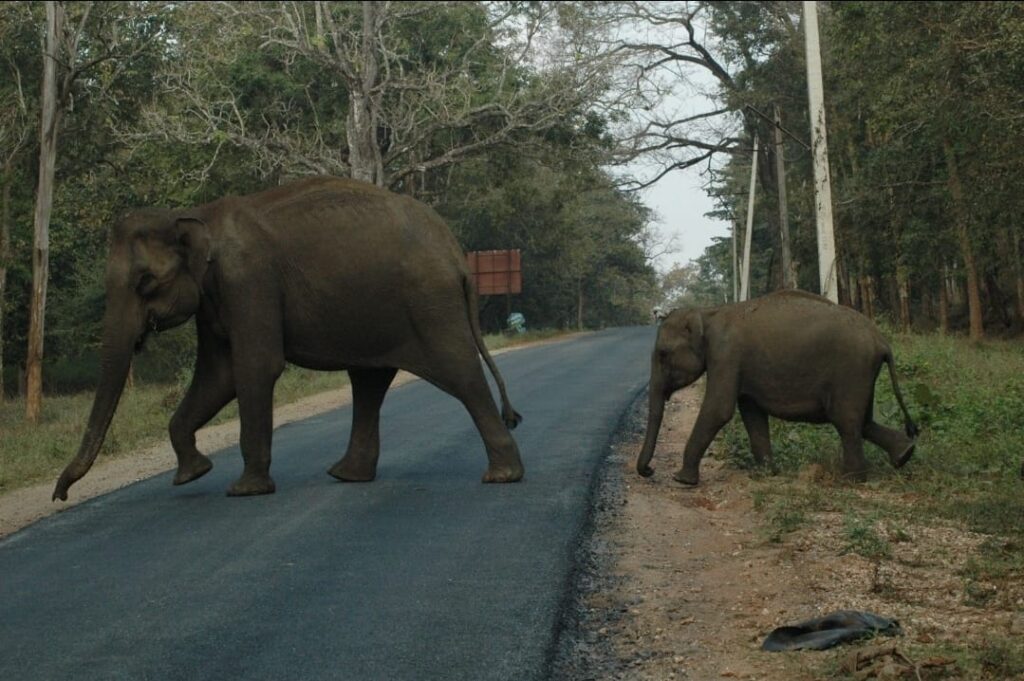
Wildlife corridors are the lifelines that connect fragmented forests, allowing animals to move between habitats in search of food, water, mates and safer breeding grounds. They sustain genetic exchange, prevent wildlife populations from becoming isolated and help landscapes remain ecologically functional. For wide-ranging species such as elephants, tigers, leopards and dholes, protecting individual forest patches alone is not enough; the pathways connecting them are equally critical.
Across Karnataka, however, many corridors are steadily narrowing under pressure from roads, railways, power lines, canals, settlements, agriculture and unplanned development. Once these linkages are severed, the consequences can be difficult—and sometimes impossible—to reverse. Habitat isolation can weaken wildlife populations, restrict movement and intensify human–wildlife interactions along fragmented forest edges. Corridor conservation must therefore move beyond identification on maps and translate into enforceable planning, scientific monitoring and coordinated action across government departments.
Senior Forest Department officials have said that a draft Wildlife Corridor Conservation Policy has been prepared and is awaiting government approval. Its adoption could provide Karnataka with a much-needed framework to identify priority corridors, prevent further fragmentation, guide infrastructure planning and establish accountability for maintaining ecological connectivity.
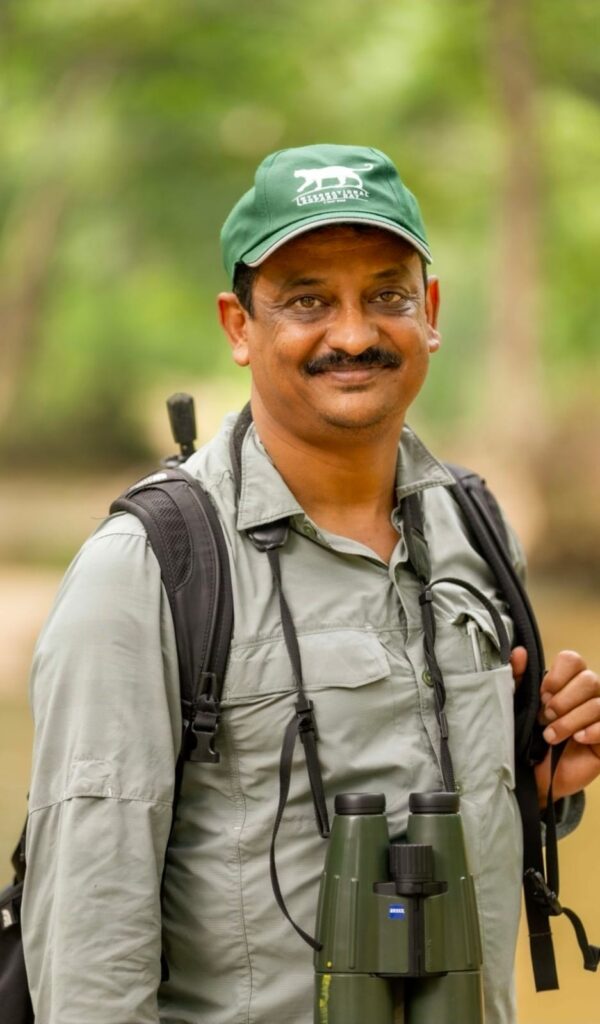
In this conversation with R S Tejus, wildlife biologist and conservationist Dr Sanjay Gubbi, author of The Last Pathways: Wildlife Corridors of Karnataka, discusses which corridors require immediate intervention, when land acquisition may become necessary, how CSR funding can support meaningful conservation, how corridor functionality should be measured and what the political leadership must do before these last pathways disappear.
1.Of the 46 corridors identified in the book, which have reached a stage where land acquisition may be unavoidable? What scientific threshold should trigger acquisition before connectivity is permanently lost?
Land acquisition should not be viewed as the default solution. The immediate priority must be to conserve the natural habitat that still survives within corridors and remove the threats causing fragmentation. Land acquisition is often expensive and time-consuming, and it may not always be necessary if proactive protection measures are implemented in time.
However, some corridors have reached a stage where urgent intervention is essential. Based on the intensity of threats and the narrowness of the remaining passage, I would identify the Chattirammanahalli–Hunsanahalli, Jayapuradadoddi and Muneshwarabetta–Bannerghatta corridors in the Bannerghatta landscape as the highest priorities.
If land-use change and infrastructure development continue to degrade these corridors, restoring connectivity later will become far more difficult and costly. Intervention must therefore occur before the remaining natural habitat becomes too narrow, degraded or discontinuous to support regular wildlife movement.
2. Can CSR funding be redirected from symbolic activities towards measurable corridor conservation, including land purchase, conservation easements, habitat restoration and long-term monitoring? Who should independently audit the ecological results?
The purpose of this book is to provide credible scientific information that can help governments, CSR programmes, philanthropies and other stakeholders prioritise investments in wildlife corridor conservation.
CSR funding has tremendous potential to support corridor protection in several ways. This need not be limited to land purchase. It can include securing critical habitats, restoring degraded areas, mitigating the impacts of roads and railways through scientifically designed wildlife overpasses and underpasses, and supporting long-term ecological monitoring. The most appropriate intervention will differ from one corridor to another.
It is equally important to ensure that these investments produce measurable conservation outcomes. Independent scientific monitoring and periodic audits should examine whether an intervention is actually maintaining or improving wildlife movement and ecological connectivity. The findings must then be used to refine conservation strategies over time.
3.How should Karnataka determine whether a corridor is genuinely functional—through animal movement, genetic exchange, breeding success or reduced human–wildlife conflict? How frequently should corridors be reassessed?
A functional wildlife corridor is one that allows animals to move safely between larger habitat patches. The most direct way to assess this is by documenting wildlife movement through scientific methods such as camera trapping, GPS telemetry, genetic studies and, where appropriate, occupancy surveys.
Movement within identified corridors can also be compared with that in neighbouring non-corridor landscapes, including intensively cultivated areas. Such comparisons can help determine whether a corridor is effectively facilitating connectivity rather than merely existing as a line on a map.
Reduced human–wildlife conflict may be a positive outcome of effective connectivity, but it is only an indirect indicator, as conflict is influenced by several ecological and social factors.
Considering the pace of infrastructure development, land-use change and evolving government policies, Karnataka should reassess its wildlife corridors at least once every five years. This would ensure that conservation priorities remain aligned with changing conditions on the ground.
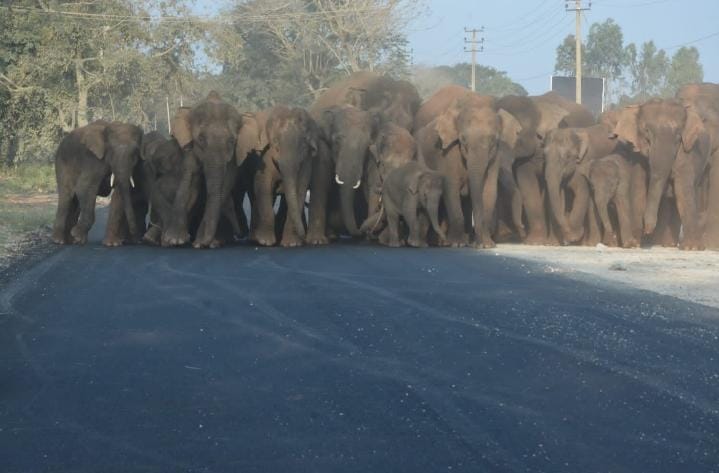
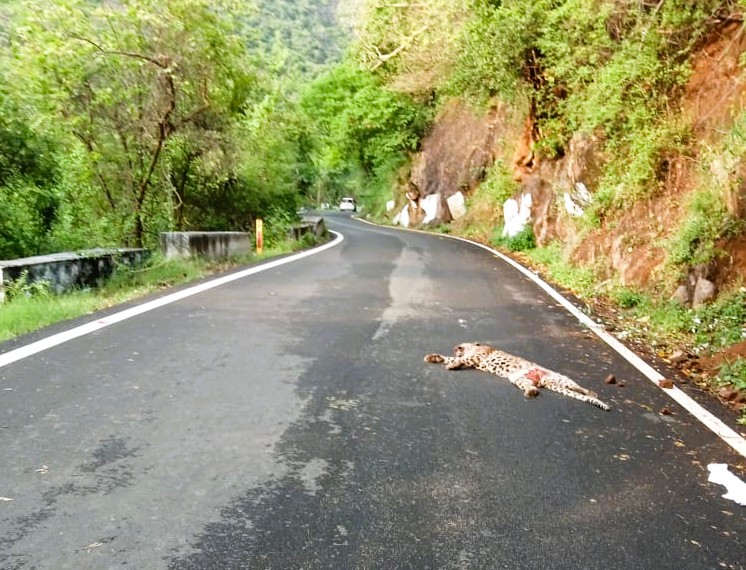
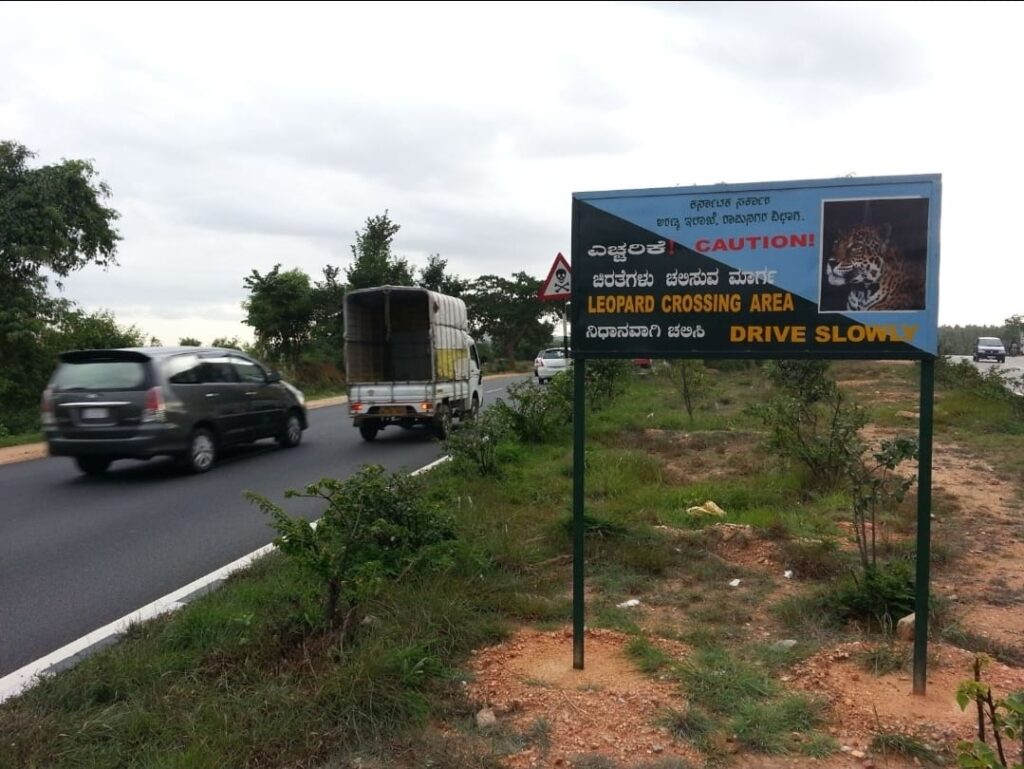
4. When roads, railways, power lines or canals intersect a wildlife corridor, should avoidance be legally mandatory, with mitigation considered only after an independent scientific review?
Avoidance should always be the first option wherever a feasible alternative exists. Keeping major linear infrastructure outside critical wildlife corridors is far more effective than attempting to restore connectivity after fragmentation has already occurred.
Where avoidance is genuinely impossible, scientifically designed mitigation measures—such as wildlife overpasses, underpasses, bridges or appropriate modifications to power lines—should be considered. These measures must be selected according to the species and landscape concerned and approved only after rigorous, independent scientific review.
There is also a strong case for establishing an independent expert body to evaluate the impact of infrastructure projects on wildlife corridors. Such a body could review mitigation proposals, oversee long-term monitoring and recommend adaptive improvements based on evidence. This would help ensure that mitigation measures maintain real ecological connectivity instead of merely fulfilling regulatory requirements.
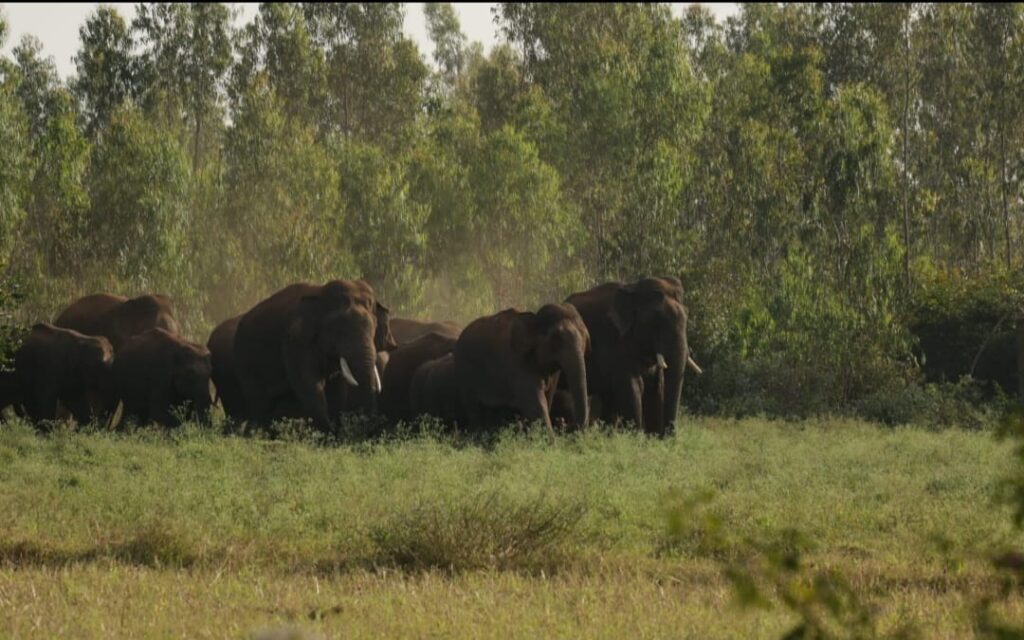
5. What must Karnataka’s political leadership do now—approve the corridor policy, notify priority corridors, create a dedicated fund, secure critical land and make every department accountable for maintaining connectivity?
The State Government’s first priority should be to approve and implement the pending Wildlife Corridor Conservation Policy. A clear policy framework would enable all government departments to consider wildlife corridors while planning development projects, rather than addressing connectivity only after projects have been designed.
The approach must be proactive. Instead of debating the impact of every individual project after it enters a corridor, conservation requirements should be integrated into the planning, design and budgeting of infrastructure from the outset.
This includes identifying and prioritising the most threatened corridors, assigning responsibility to departments for maintaining connectivity, protecting existing natural habitats and allocating resources for avoidance wherever possible. Where avoidance is not feasible, scientifically appropriate mitigation measures must be incorporated and monitored.
A dedicated financial and institutional mechanism for corridor conservation, habitat security and long-term scientific monitoring would further strengthen implementation. It would help ensure that economic development does not proceed at the cost of Karnataka’s remaining wildlife pathways.