
Meera Bhardwaj:
Is the National Institute of Advanced Studies (NIAS) competent enough to give the nod for the controversial Sharavathi Pumped Storage Project (PSP) in Karnataka as the project site is located within a Protected Area and its ESZ which will have very serious consequences on one of the world’s eight “hottest” biodiversity hotspots? Now why did the Standard Committee of the National Board of Wildlife (NBWL) seek comments from an institute which has neither the capability nor the expertise to deal with such a complex ecological and other issues as the Sharavathi PSP falls within the central Western Ghats.
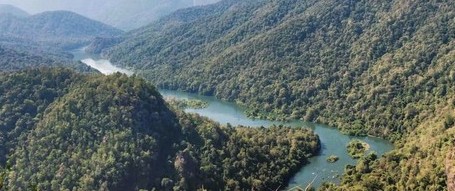
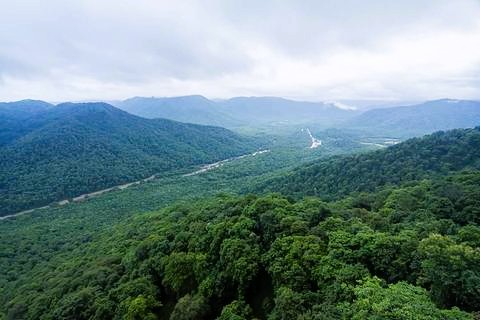
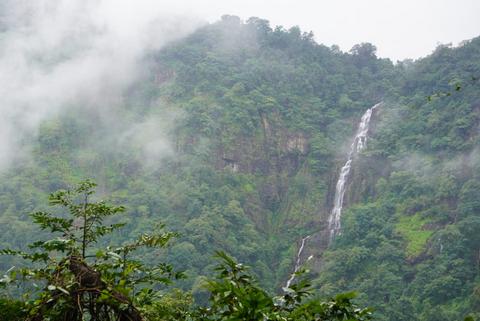
Like other hydroelectric projects in Karnataka, shockingly, the 2000 MW Sharavathi project site too lies within the notified Protected Area of Sharavathi Valley Lion Tailed Macaque (LTM) Sanctuary and also within its Eco-Sensitive Zone located in the Shivamogga and Uttara Kannada districts of Karnataka.
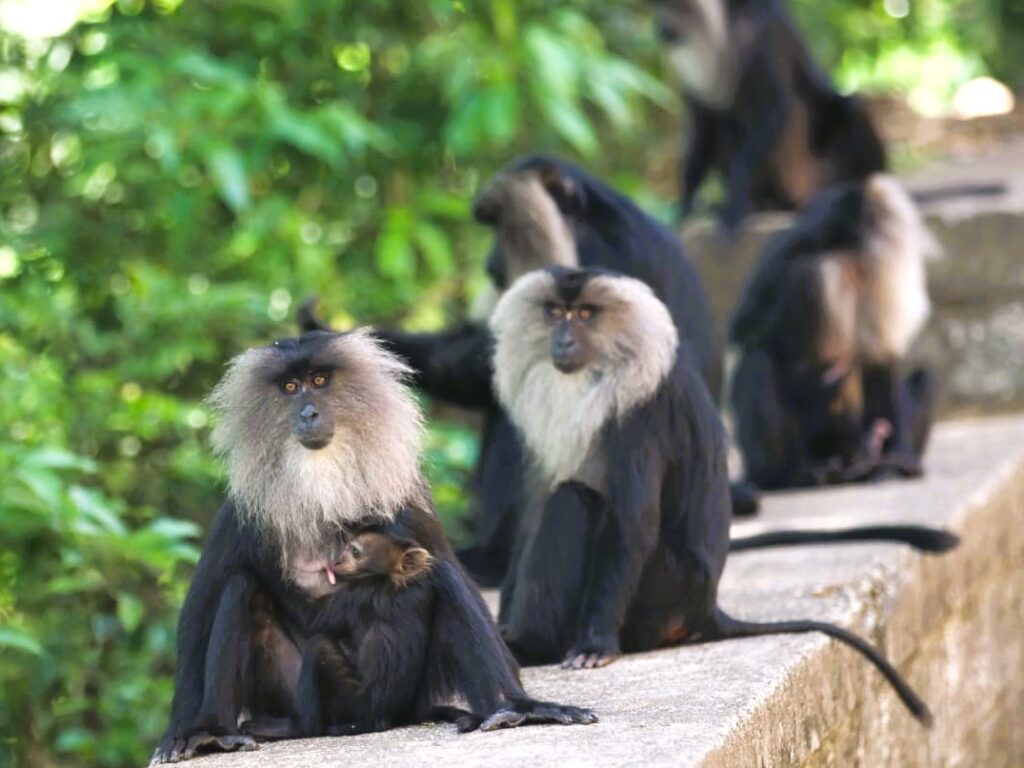
Sharavathi Valley LTM Sanctuary and the ESZ is home to:
- Unique Forest Habitat
- Highly Complex Ecosystem of Western Ghats
- Possess high Floral Diversity,
- Climax Forests – Wet Evergreen, Semi-Evergreen, etc
- Watershed region for 37 rivers & tributaries
- Rare, Endangered and Endemic species,
- Flagship Mammals,
- Contiguous LTM Population (700 individuals)
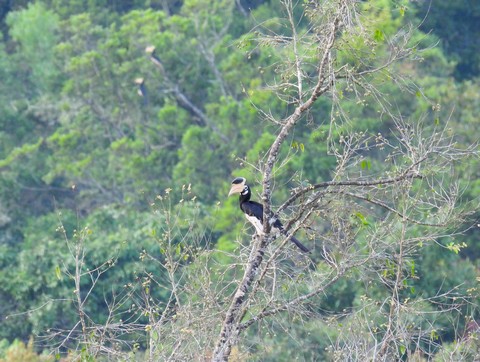
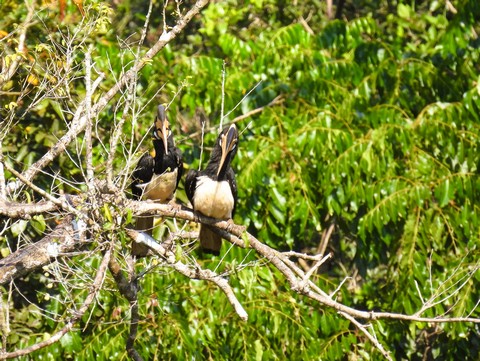
- Great Hornbill species
- Malabar Pied Hornbill species and
- The King Cobra.
In fact, the ecological fallout far outweighs the economic benefits that is expected to accrue from the Sharavathi PSP.
On June 23, 2026, Dr R Srikant, Professor & Head, Energy, Environment & Climate Change Program, NIAS evaluated the much-rejected and Karnataka’s most controversial – 2000 MW Sharavathi PSP. Recommending the PSP proposal, he said, “Any PSP which does not involve the construction of a new dam can be considered for approval by the National Board of Wildlife provided ecological and environmental impacts are minimized. This project will also help mitigate impacts of climate change and enhance the energy security.”
NBWL & DIGF EXPRESS SERIOUS CONCERNS
It may be recalled, in the 85th meeting of the SC-NBWL held on 19th August 2025, their members had expressed serious concerns regarding the high ecological sensitivity of the proposed project area and its likely implications on the Lion-Tailed Macaque (LTM) and other endangered wildlife species found in this PA and its ESZ.
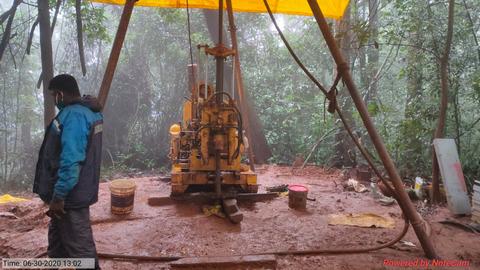
Further, on 19.5.2025, the investigating officer and DIGF Praneeta Paul did not recommend the project after inspection of the project site and cited a long list of reasons for its rejection and said the project should not be approved. In her report, she said, this project will cause serious impact on its unique habitat, forest and wildlife. But over riding her rejection of the project, the REC, MoEFCC, shockingly recommended the Sharavathi PSP to the MoEFCC.
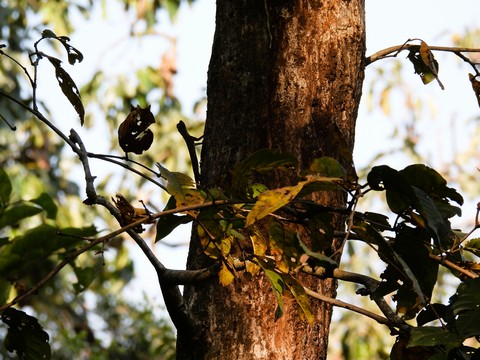
NIAS FOCUS IS ONLY ON ENERGY NEEDS
Hardly focusing on ecological & wildlife issues, the NIAS report rambles on the need for clean and sustainable energy, gives Indian data on solar and wind energy capacities, required energy storage capacities, etc.
Further, the NIAS report focuses only on how Sharavathi PSP will help in enabling higher penetration of renewable energy and strengthening grid capacity. “Compared to BESS (Battery Energy Storage Systems) which provides short duration storage with lower economic lives and higher life-cycle emissions, the report justifies PSP by claiming they have longer life and long duration storage and pumps water from lower to upper dam during low power demand which will stabilize the grid during disturbances.”
REPORT HIGHLIGHTS ONLY ENERGY STORAGE
Dismissing forest diversion of very less forest area, the NIAS report wholly and solely focuses on energy storage needs and therefore, says, “The proposed Sharavathi PSP is critical to meet the energy storage requirements of Karnataka. Due to lack of any grid connected energy storage at present, the state is unable to fully utilize the energy generated from wind and solar power generated within the state during the peak renewable energy season.”
Regarding widening of road between Nagarabasthikere and Begodi village, the NIAS report claims that KPCL has assured of avoiding this and strengthening the road without felling trees, now who can believe this user agency which is known for taking up projects without taking proper forest, wildlife clearances?
The NIAS Report Further Eulogises:
- KPCL’s total commitment to avoid widening of road thereby, eliminating felling any trees, hillside cutting and other construction activities.
- Therefore, NIAS makes tall claims that the movement of arboreal species Lion Tailed Macaques will not be affected at all.
- But will NIAS take responsibility on behalf of KPCL for completely eliminating tree felling?
- Any tree felling activity will disturb the Sharavathi Sanctuary that has a contiguous population of more than 700 LTM?
But what about the Replacement Road along the brim of Gersoppa reservoir and the new approach tunnel?
The NIAS report is very vague and says it appears to be ecologically more beneficial – so the KPCL should design, construct an all-season road & tunnel with controlled blasting (with NIRM expertise) in such a way there should be no consequences on reservoir waters.
The report focuses only on the energy & engineering aspects of the project and is completely silent on the adverse impact on wet evergreen forests, its unique ecosystem, climax forests and the various endangered and endemic species of the Western Ghats.
TRANSMISSION LINE UPGRADATION
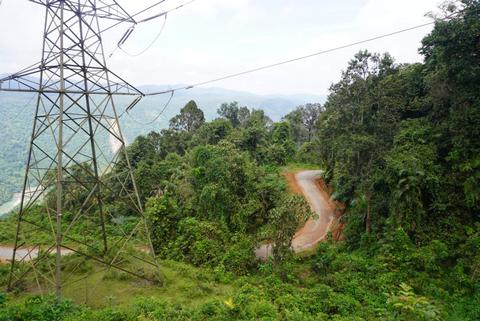
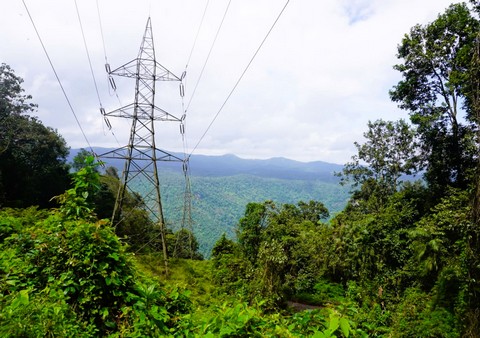
The NIAS report claims KPTCL is also committed to build the transmission line system for the Sharavathi PSP by upgrading the existing 220 kV system to a 440 kV system within the present power transmission corridor for the entire length of the forest portion, thereby, eliminating the need for any “new right of way” and its potential environmental impacts (KPCL, 2026).
However, upgrading a transmission line from 220 kV to 440 kV (requires 52-metre-wide corridor) within an evergreen forest introduces severe, permanent ecological consequences. Because evergreen forests are typically dense, highly structured, and biologically rich, and widening the corridor alters the local climate and destroys vulnerable habitats, ecologists stress.
POWERLINE UPGRADATION AGAINST CEA GUIDELINES
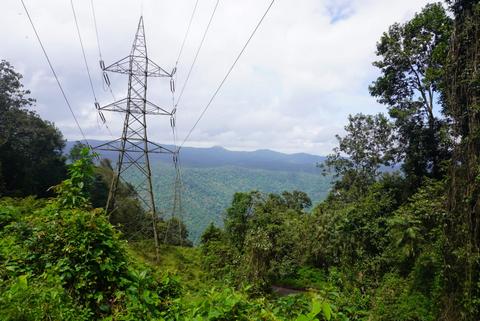
Power and habitat experts add, “KPCL claims that they can upgrade the transmission lines in the existing 35m corridor itself. But CEA guidelines mandates 45m corridor for 400kV Multi circuit lines.
High voltage upgradation in an evergreen forest will require larger forest clearings to prevent electrical arcing and fires. Further, this results in canopy fragmentation – widening the line by 15+ meters requires felling hundreds of mature canopy and emergent trees. Evergreen forest canopies take centuries to develop, and their removal permanently changes the structural integrity of the forest.”
NIAS FAILS TO ADDRESS ECO-ISSUES
Reducing the forest diversion requirements from 55 to 40 hectares in a wet evergreen ecosystem of Western Ghats does not resolve the ecological issues but the NIAS report claims it goes a long way in alleviating several key concerns expressed by the H S Singh Committee of SC-NBWL. But how, there are no answers in the report?
The comments given by NIAS shows its complete bias towards energy generation and that too PSPs but totally fails to address any ecological or wildlife concerns as the report clearly states, “Given the criticality of large-scale energy storage to meet India’s global commitments to mitigate climate change and enhance India’s energy security, any PSP which does not involve the construction of a new dam in a “Protected Area” should be considered for approval by the MOEFCC subject to optimisation of the project design to reduce the ecological and environmental impacts of the project.”
HYDRO-POWER PROHIBITION IN ESZ, SHOULD BE REMOVED FOR SHARAVATHI PSP, NIAS SAYS.
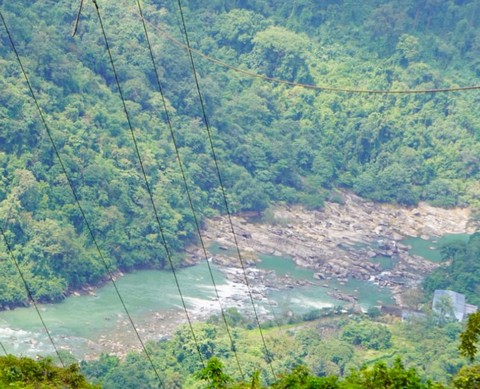
The NIAS report also states, “The Sharavathi PSP is a unique PSP which utilises the existing dams in the basin and avoids the construction of any new dam. So, Sharavathi PSP may be considered for approval by the NBWL and the MoEFCC as an “exception” to the list of prohibited activities (hydroelectric projects) in the ESZ of the Sharavathi LTM Sanctuary as per the MoEFCC Notification dated 14th March, 2023. This policy change will not only be in the National Interest due to its impact on Climate Action and Energy Security but will also serve public interest.”
However, activists add, “In a quirk of twisted fate, the Karnataka govt reframed the complex exercise, shifting its focus from addressing ecological issues to justifying the Sharavathi PSP and highlighted the benefits of the controversial project.”
SHARAVATHI PSP, A PROJECT REJECTED BY ALL
The Sharavathi PSP is a project that is opposed by environmentalists, activists, people, farmers, wildlife biologists, conservationists, forest officials and ecologists across the country. But the insensitive Karnataka Government under D K Shivakumar seems to be least bothered about people’s wishes and opinion and is aspiring to go ahead with the hydropower project by using all ways and means to get clearances.
In fact, more than 50,000 people have signed an online petition opposing the eco-disastrous Sharavathi PSP project while thousands of people participated and expressed complete opposition during the two public consultations held in Shivamogga and Uttar Kannada districts last year. Further, hundreds of wildlife conservationists, activists, ecologists and NGO groups involved in conservation in Karnataka have handed their memorandums to the state govt citing their total objections to this eco-disastrous project. Now only God can help in saving the Western Ghats from continuing destruction.