
P M Muthanna:
The discovery of a cache of illegal explosives and cash at Kodihalli town, Kanakapura taluk in Bengaluru South district by the Forest Mobile Squad of the Karnataka Forest Department (KFD) reveals their hand not only in wildlife crimes but also raises serious internal security concerns for the state and the country. The discovery in Kanakapura may have been accidental but it has clearly exposed vulnerabilities that cannot be ignored.
The questions raised by the Prime Minister’s visit to Karnataka and the security scare in May 2026 and the July 2026 seizures point towards a common concern – the ease with which explosive materials appear to circulate in sensitive regions of the state.
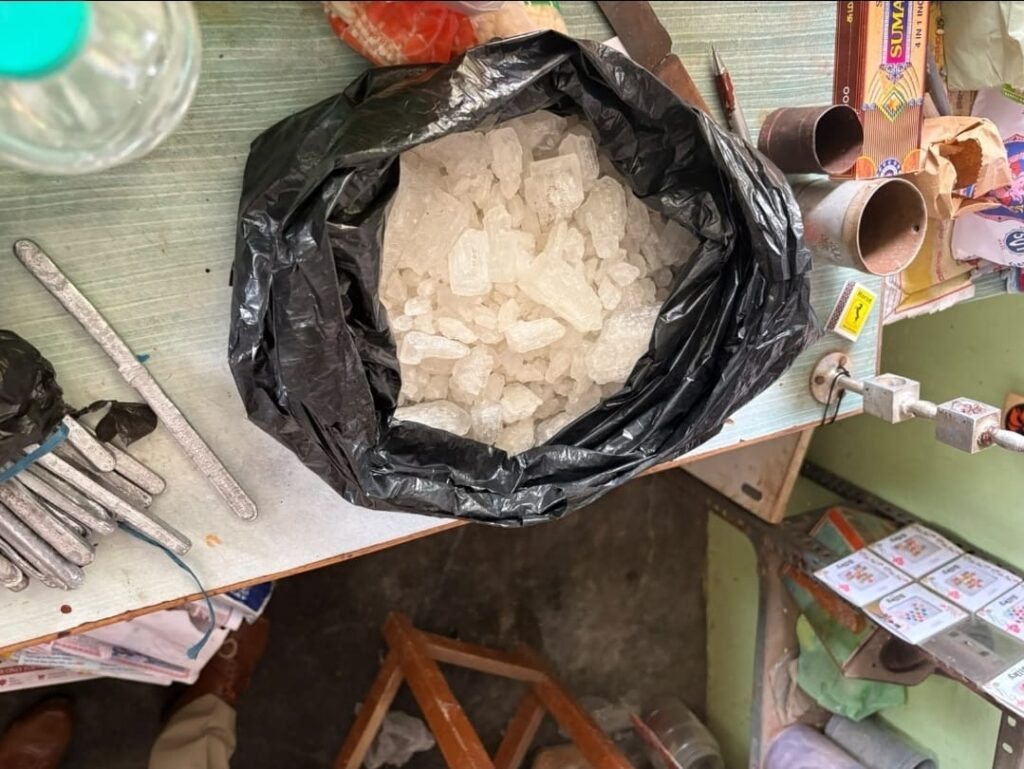
On10 July, when two separate searches were conducted by Forest Mobile Squad (the vigilance wing of Karnataka Forest Department) in Sathnuru Hobli of Kanakapura Taluk, Bengaluru South district, led to an unexpected discovery. The Forest Mobile Squad team found explosives materials in Renuka Stores, which is owned one Rudresh, in Kodihalli town falling within the jurisdiction of the Kodihalli Police Station.
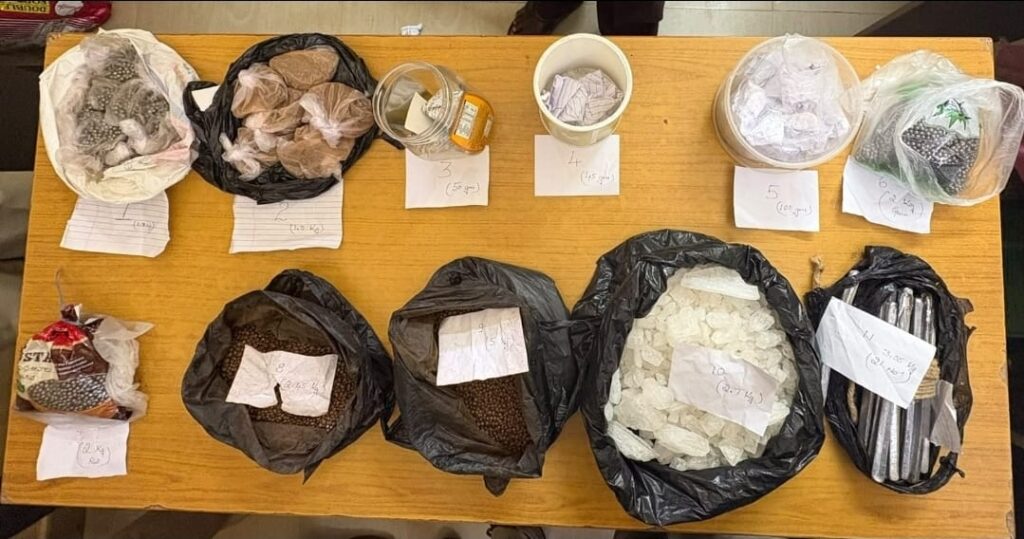
The same day, the search operations in the house of Shivamalle Gowda in Nallahalli village, (in the jurisdiction of Sathnuru Police station) also resulted in the discovery of huge quantity of explosives.
Although the search operations were regarding wildlife materials, the Forest Mobile Squad stumbled upon a large quantity of materials that are used for the preparation of explosives, and usually used for hunting.
EXPLOSIVES’ SHOP NEAR POLICE STATION
The discovery was particularly striking because the shop in Kodihalli is situated on the main road, less than 100 metres from the local police station. This naturally raises troubling questions. How could such an illegal activity continue to thrive so close to a police station without attracting any attention?
The searches also reportedly led to the recovery of nearly ₹4 lakh in cash from one of the houses. Investigators are reported to have found a video in a seized mobile phone showing a much larger quantity of cash stored at an unidentified location. These findings warrant a thorough financial investigation to determine whether they are linked to illegal wildlife trade or any other organised criminal activities.
PM’S VISIT – SECURITY SCARE ON 10 MAY, 2026
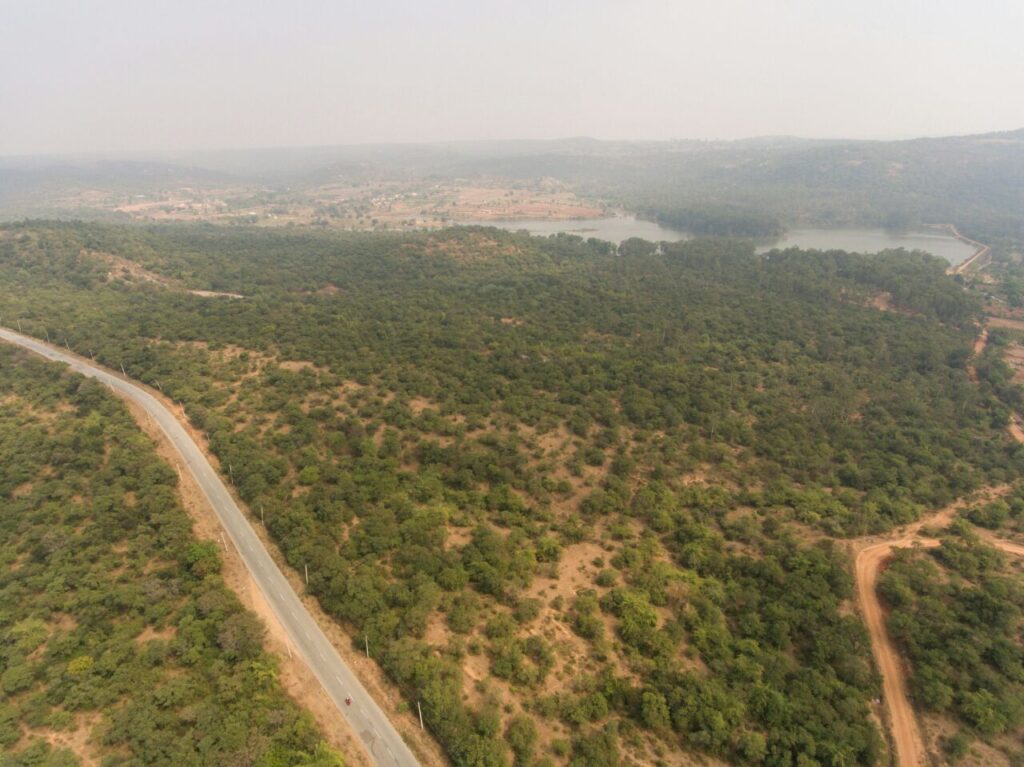
When the Prime Minister visited Bengaluru South district on 10 May this year, Karnataka witnessed a major security scare. Two gelatine sticks, wires and detonators were reportedly found near the Prime Minister’s convoy route on the outskirts of Bengaluru and Ramanagara. The discovery triggered an immediate security response, one person was detained, six police personnel were superseded, and the National Investigation Agency (NIA) took over the investigation.
As often happens with high-profile incidents, public attention gradually shifted elsewhere. Yet many important questions remain unanswered. Where did the explosives originate? How could such dangerous materials be left unattended near a VVIP convoy route? More importantly, what does the incident reveal about the larger problem of illegal explosives circulating in the region?
KARNATAKA-TN BORDER, HUB OF ILLEGAL QUARRYING
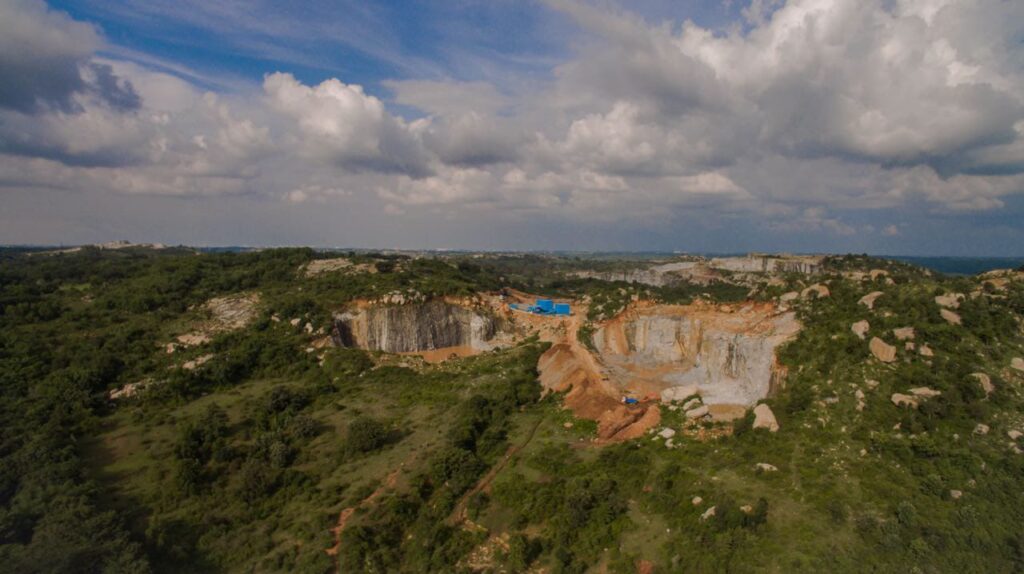
For residents of the Karnataka–Tamil Nadu border districts, such incidents are not entirely surprising. Decades of legal and illegal quarrying and mining activities have created an ecosystem where gelatine sticks, detonators and explosive accessories are widely circulated.
Weak regulation and poor enforcement have allegedly enabled the uncontrolled sale, storage and transportation of these materials. In several smaller towns and remote villages, shops continue to stock gunpowder used for firearms along with materials that can be used in the preparation of explosives.
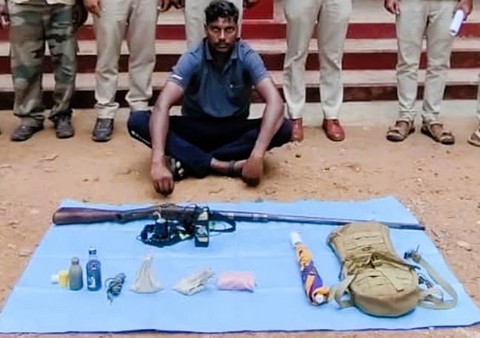
A WAKE-UP CALL FOR GOVT AGENCIES
Although the recovery was accidental, it highlights the professionalism and persistence of the Forest Mobile Squad of Karnataka. What began as an operation targeting wildlife crime exposed a potentially much larger network involving illegal explosive materials. The Forest Mobile Squad officers deserve recognition for uncovering an activity that may have otherwise continued unnoticed.
The incident should serve as a wake-up call for multiple government agencies. It also presents an opportunity for the Karnataka Forest Department to strengthen enforcement efforts in the MM Hills Wildlife Sanctuary and the Cauvery Wildlife Sanctuary. These protected areas, with their extensive forests and dependable water sources, supports rich biodiversity and significant wildlife populations.
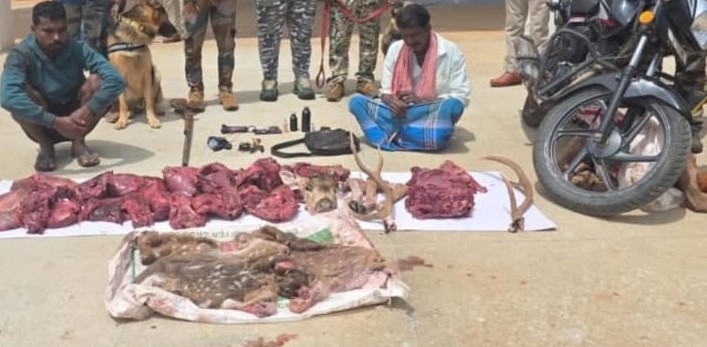
ORGANIZED NETWORKS INVOLVED IN WILDLIFE CRIMES
Equally important is the need to dispel the common perception that wildlife crimes are largely driven by subsistence hunting or traditional practices. Increasingly, there are indications that organized networks, aided by easy access to country-made firearms, repair workshops, gunpowder and explosive materials, may also be involved. Such networks represent far more than a conservation challenge; they have the potential to become a serious law-and-order problem at any time.
The Police Department, State Mines & Geology Department, the District Administration and other enforcement agencies must therefore must wake up and, treat these incidents as warning signs rather than isolated cases. A comprehensive audit of licensed explosive dealers, stricter monitoring of quarrying supplies, regular inspections of shops selling explosive-related materials, and coordinated intelligence-sharing among police, forest and revenue authorities are urgently needed.
(PHOTO CREDIT: ALL IMAGES FROM DIFFERENT SOURCES AND KARNATAKA FOREST DEPARTMENT)